
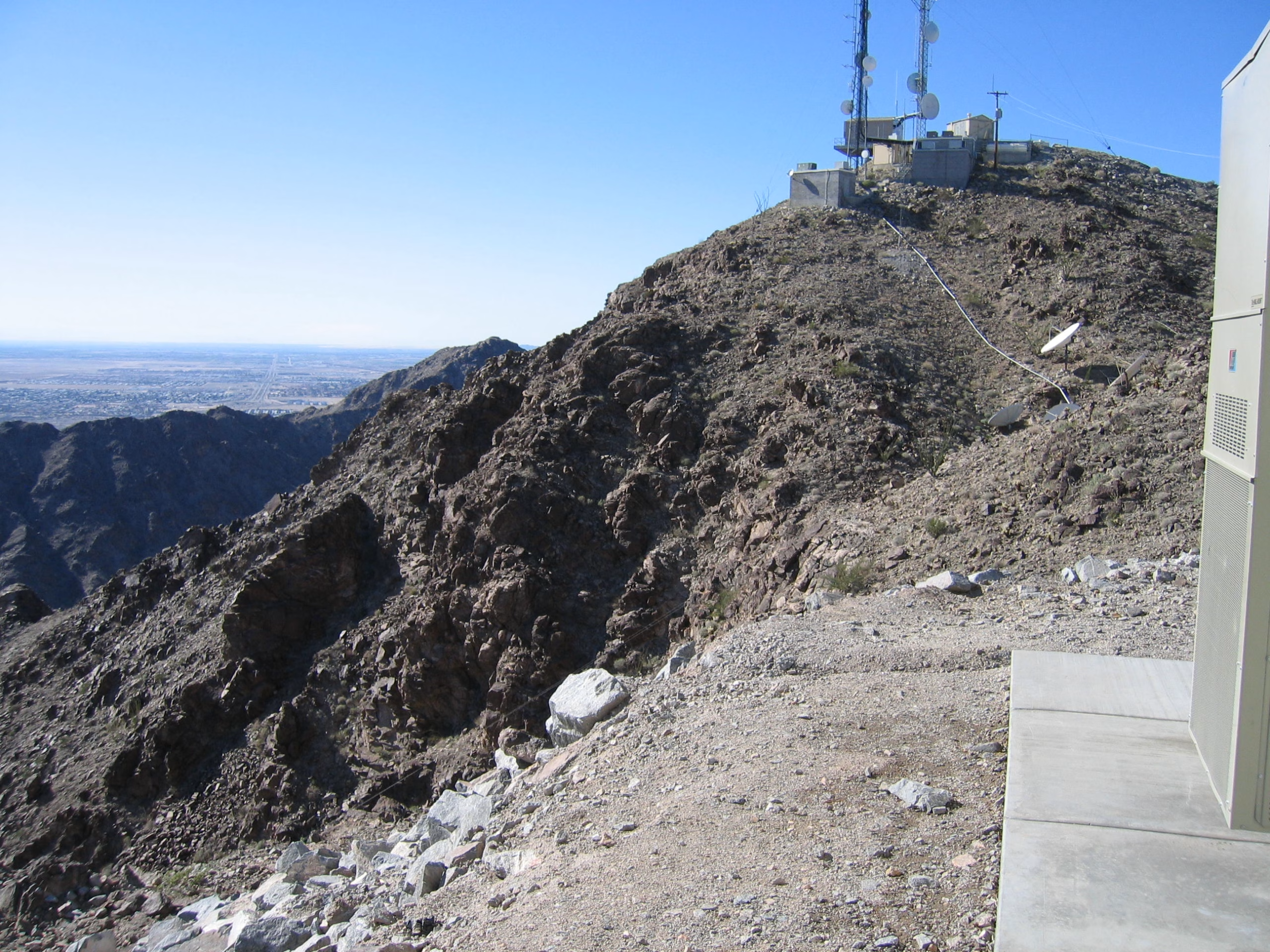
Condensation is one of the most common issues owners run into with enclosed buildings—especially equipment shelters, telecom huts, mechanical enclosures, and modular structures used in challenging environments.
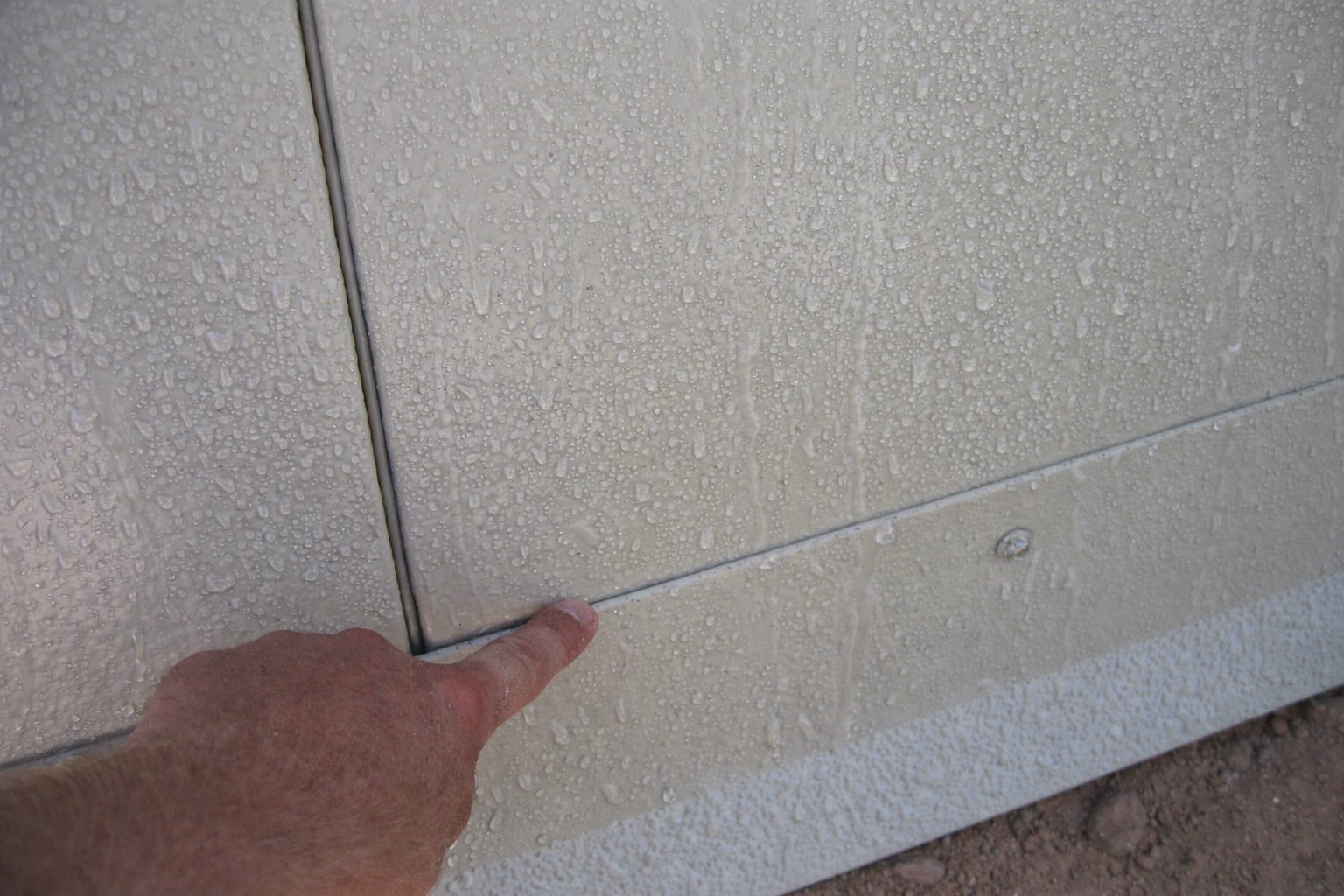
Sometimes it shows up as a light film of moisture on walls. Other times it becomes more serious:
• Water droplets forming on ceilings
• “Sweating” around doors and corners
• Damp floors or puddles near wall lines
• Corrosion on equipment
• Mildew odors or interior staining
The tricky part is that condensation often looks like a leak—even when the roof and walls are performing perfectly.
In this article, we’ll break down what condensation actually is, why it happens inside modular buildings, and the best design and operational steps to prevent it long-term.
What Condensation Really Means
Condensation happens when warm, moisture-filled air touches a surface that is cold enough to drop below the dew point. When that happens, moisture in the air turns into liquid water on that surface.
This is why condensation is most common in modular buildings that experience:
- big temperature swings (day/night or seasonal)
- equipment heat cycling on/off
- high humidity environments
- mixed interior/exterior conditions
- intermittent ventilation
A building can be fully sealed and still experience condensation if the interior conditions create it.
The Most Common Causes of Condensation in Modular Buildings
1) Temperature Swing + Trapped Humidity
One of the biggest condensation drivers is rapid temperature change.
Example:
- Warm daytime air enters the building while doors are open or during service visits
- That air contains moisture
- Overnight temperatures drop quickly
- Interior metal surfaces cool down
- Moisture condenses on walls/ceilings
This is especially common in spring/fall and in regions with cold nights and warm days.
2) Equipment Heat Cycling Inside the Building
Mechanical and electronic equipment can produce heat that warms interior air—but not always consistently.
When heat cycles:
- interior temperature rises
- moisture capacity increases
- warm air spreads
- then equipment turns off
- surfaces cool rapidly
- condensation forms
This often shows up as moisture near the ceiling or around corners and seams where air movement is limited.
3) Air Infiltration Through Doors, Penetrations, or Service Openings
Even small gaps can allow humid air to enter.
Common infiltration points include:
- door edges and thresholds
- cable penetrations not fully sealed
- service ports
- louvers or vents not designed for the environment
The building may still look “sealed,” but small openings can introduce enough humidity to create recurring condensation.
4) Ventilation That Brings in Humidity (Instead of Removing It)
Ventilation is important—but it needs to be designed correctly.
In humid climates, bringing in outside air without control can increase interior moisture levels, especially if the incoming air is warm and humid and the interior surfaces are cooler.
The goal is not just “more air.” The goal is controlled airflow that supports stable interior conditions.
5) Cold Surfaces + Thermal Bridging
Some surfaces inside modular structures get colder than others.
This often happens where:
- metal components create a thermal bridge
- corners lose heat faster
- structural elements conduct temperature more easily
Those locations become “condensation magnets,” especially when interior humidity rises.
How to Prevent Condensation: Practical Design and Planning Solutions
The best condensation control strategy is usually a combination of three things:
- reduce humidity inside
- reduce cold surface exposure
- keep air moving in a controlled way
Here are the most effective ways to accomplish that in modular buildings.
1) Choose the Right Insulation and Building Envelope Strategy
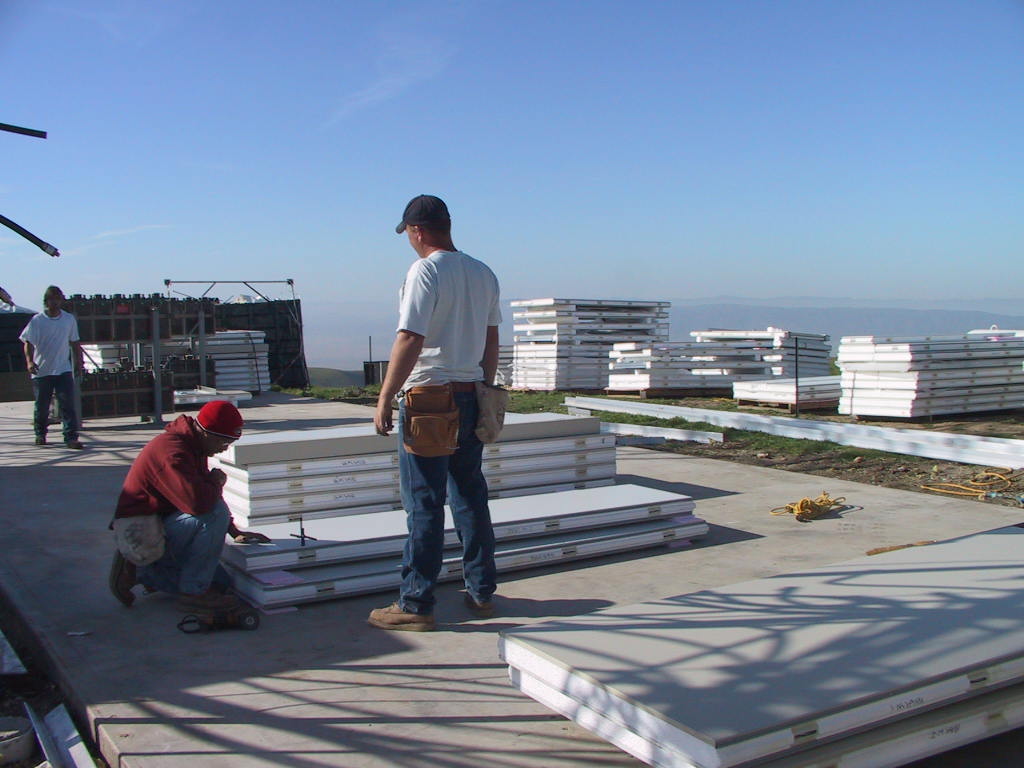
Insulation helps stabilize interior temperatures and reduce cold surfaces.
In modular buildings, consistent insulation coverage is important because it helps prevent interior surfaces from dropping below dew point as quickly.
Insulation alone won’t eliminate condensation if humidity is high—but it dramatically reduces the conditions that trigger it.
2) Seal Penetrations Correctly (Cable and Utility Entry Matters)
Some of the worst moisture issues come from cable and conduit entry points that aren’t fully sealed.
A modular building may be airtight everywhere—except for one penetration that acts like a humidity intake.
Best practice:
✅ seal around cable entry systems
✅ confirm gasketing on penetrations
✅ minimize unplanned openings
✅ use proper sealing components designed for the application
3) Use Controlled Ventilation and Airflow
In many modular equipment shelters, the goal is to prevent stagnant air pockets where moisture collects.
Depending on use case, the best approach may include:
- passive ventilation designed for the climate
- powered ventilation with proper intake/exhaust placement
- thermostatically controlled airflow based on internal temperature
- equipment room airflow management
The goal: keep conditions stable and prevent moisture from settling on surfaces.
4) Consider Dehumidification or Climate Control for Sensitive Applications
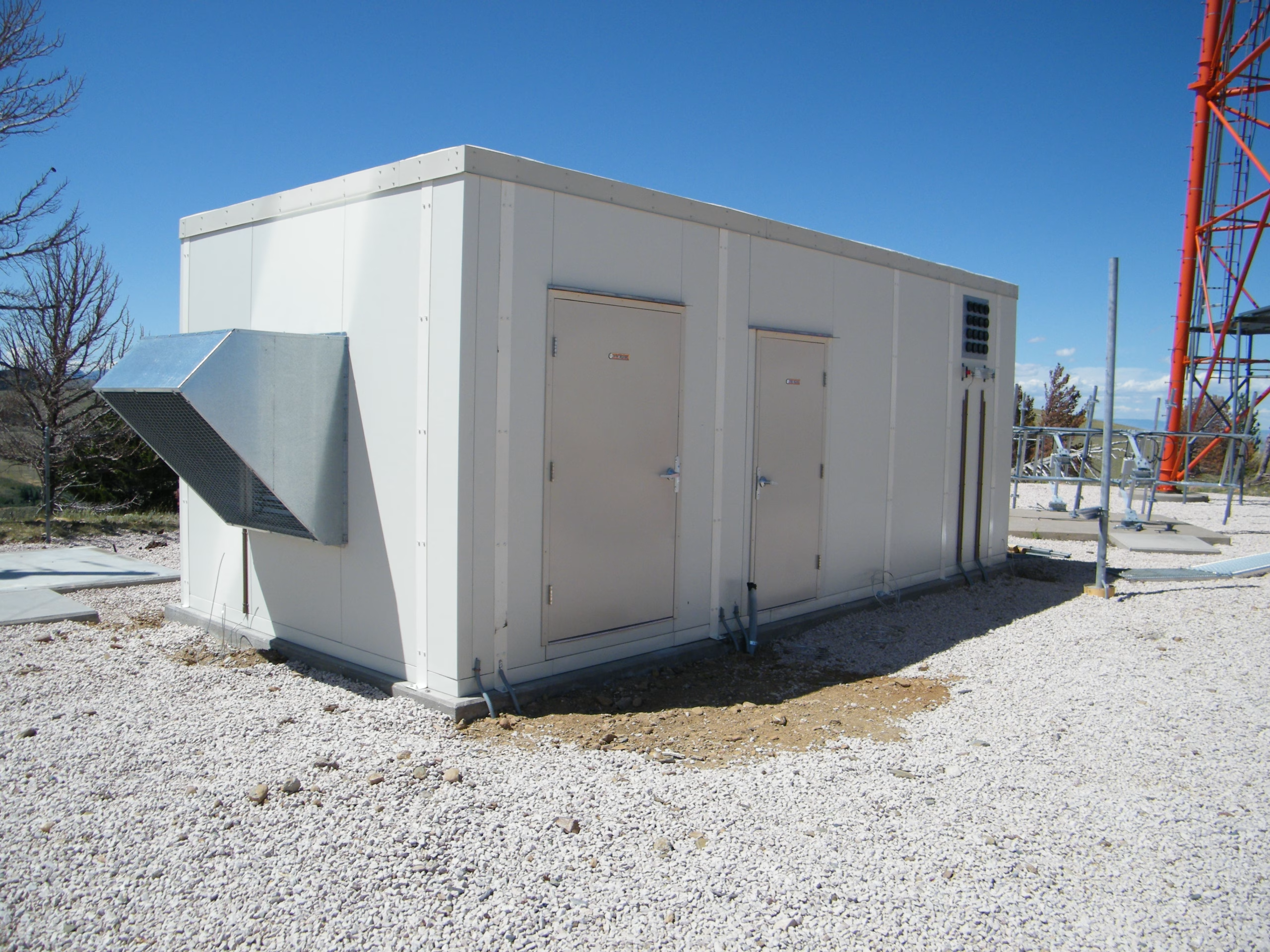
If the building houses sensitive equipment—telecom, controls, electronics, or mechanical systems that can’t tolerate moisture—humidity control may be a requirement, not an option.
In those cases, adding dehumidification or environmental control is the safest way to prevent condensation-related damage.
5) Prevent “Wet Air Events” During Service Visits
This is an overlooked source of condensation:
A warm humid day + door held open during service can load the interior with moisture in minutes.
Then, when the door closes and temperatures drop, that moisture condenses.
Tips that help:
✅ keep doors closed when possible
✅ limit open-door time during maintenance
✅ avoid leaving doors open while staging tools
✅ keep interior airflow active after service visits
6) Design for Drainage and Moisture Tolerance Where Needed
In real-world environments, sometimes moisture events happen.
A smart design includes:
- interior materials and finishes that tolerate moisture
- floor systems that don’t trap water
- easy-to-clean surfaces
- thoughtful drain strategy where appropriate
These choices help prevent a small condensation issue from turning into long-term damage.
Final Takeaway: Condensation Is Preventable When You Control the Conditions
Condensation isn’t always a leak—and it isn’t always a construction problem.
Most condensation issues come from:
- temperature swings
- humidity entering through openings
- airflow that allows moisture to settle
- cold surfaces created by thermal bridging
The best prevention plan combines envelope design, sealing strategy, and controlled airflow.
At Enviro Buildings, we help customers plan modular buildings with the right insulation, ventilation, and protection so they perform reliably in the real world—whether they’re installed in heat, humidity, cold, or remote environments.