
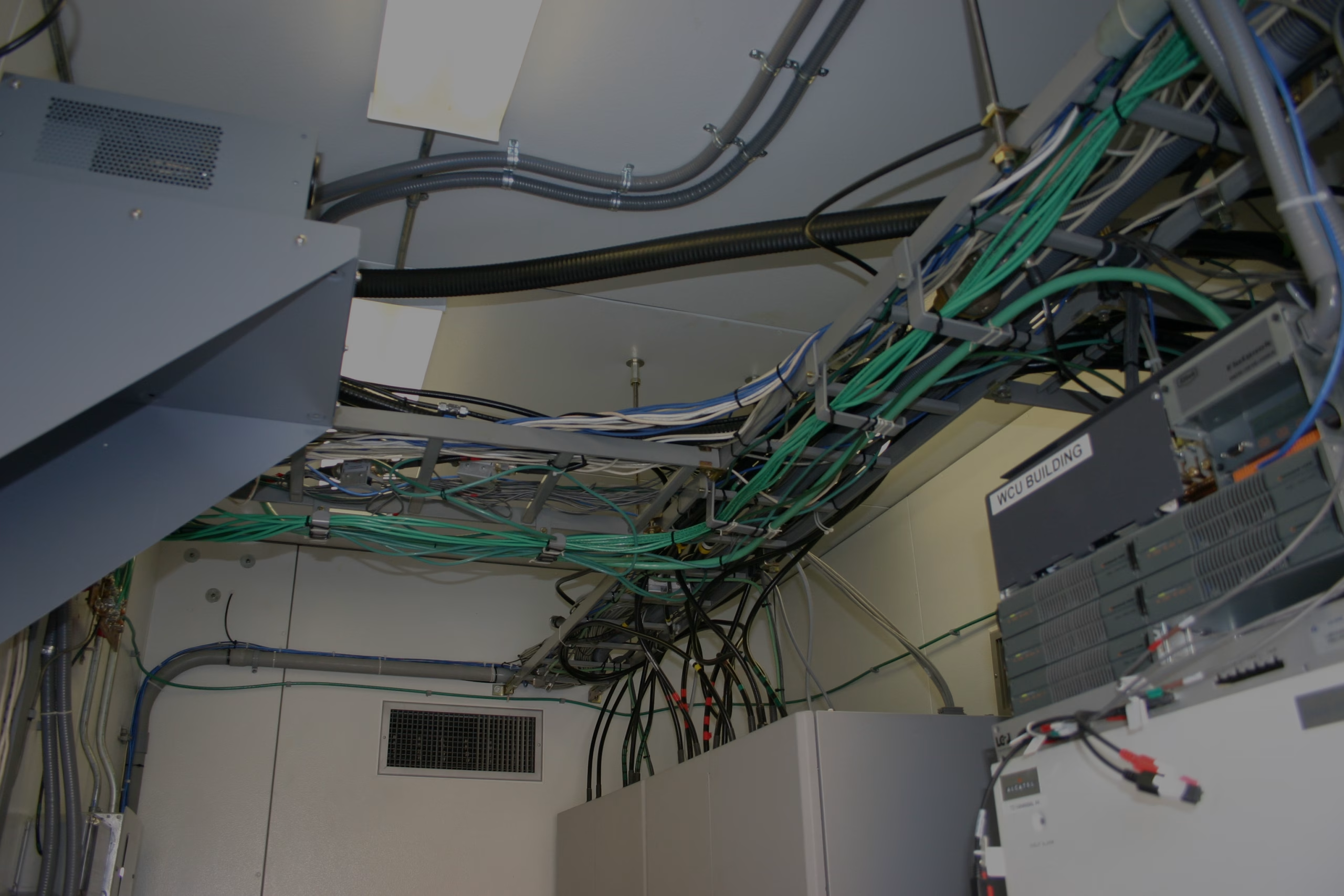
One of the easiest ways to create long-term problems in a modular building is also one of the most common:
Improper power and cable entry planning.
Cable entry seems like a small detail compared to the structure itself—but it impacts everything:
- weather resistance
- condensation risk
- security
- serviceability
- future expansion
- how clean and professional the final install looks
A modular building can be built to perform flawlessly, but if conduit and cable entry are handled as an afterthought in the field, the building can end up with leaks, moisture issues, and recurring maintenance headaches.
In this article, we’ll break down how to think about cable entry the right way, what mistakes to avoid, and how to build a plan that supports both performance and long-term flexibility.
Why Cable Entry Planning Matters More Than People Think
Any time you penetrate a building envelope, you create a risk point.
That risk point can affect:
- air infiltration
- water intrusion
- vapor migration
- security openings
- thermal bridging
- long-term durability of seals
And in many equipment shelter applications, cable entry isn’t just a one-time job. It evolves:
- new equipment gets added
- system requirements change
- additional conduits are needed
- upgrades happen over time
Planning for “today only” almost always leads to unplanned penetrations later—which is where problems start.

Step 1: Decide Where Cables Should Enter (Wall vs Floor vs Roof)
There isn’t one perfect answer—there’s the best answer for the site.
Wall entry
Wall entry is common because it can be clean and accessible, especially when cable routing needs to remain off the floor.
Pros:
- easy to inspect and service
- supports tidy interior routing
- avoids floor-level water exposure in some environments
Considerations:
- must be sealed carefully
- needs thoughtful placement to avoid clutter inside
- can create thermal bridge points if poorly executed
Floor entry
Floor entry can be ideal when routing needs to stay hidden or protected, especially in secured environments.
Pros:
- cleanest interior appearance
- reduces wall clutter
- protects cables from damage
Considerations:
- must be planned around base/foundation
- needs proper sealing strategy
- requires strong moisture control planning
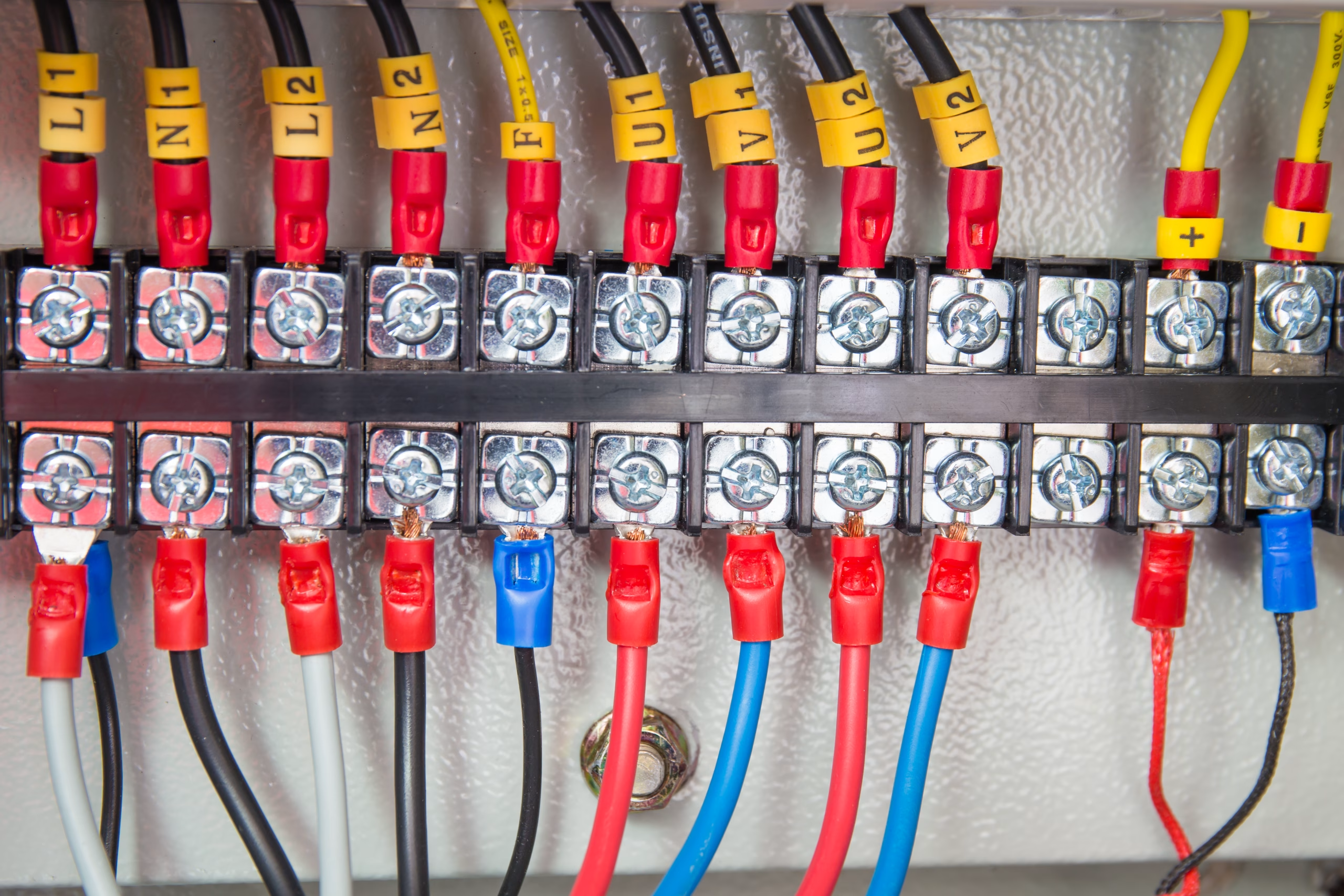
Roof entry
Roof entry is sometimes used depending on the site and routing constraints, but it typically demands extra care.
Pros:
- useful for certain vertical routing needs
- can reduce exposed wall conduit in some layouts
Considerations:
- increases the importance of weatherproofing
- requires high confidence in sealing and protection strategy
- should be planned intentionally, not improvised
Step 2: Plan Penetrations Before the Building Ships (Not After It Arrives)
The cleanest, most reliable cable entry solutions happen when the plan is established early.
That includes:
- number of conduits needed
- approximate sizes
- location and grouping
- internal routing paths
- future expansion allowances
When this is done early, the building envelope stays controlled and the result is:
✅ fewer field surprises
✅ cleaner installation
✅ less risk of moisture problems
✅ faster commissioning
When it’s done late, field modifications often increase the chance of leaks and long-term maintenance.
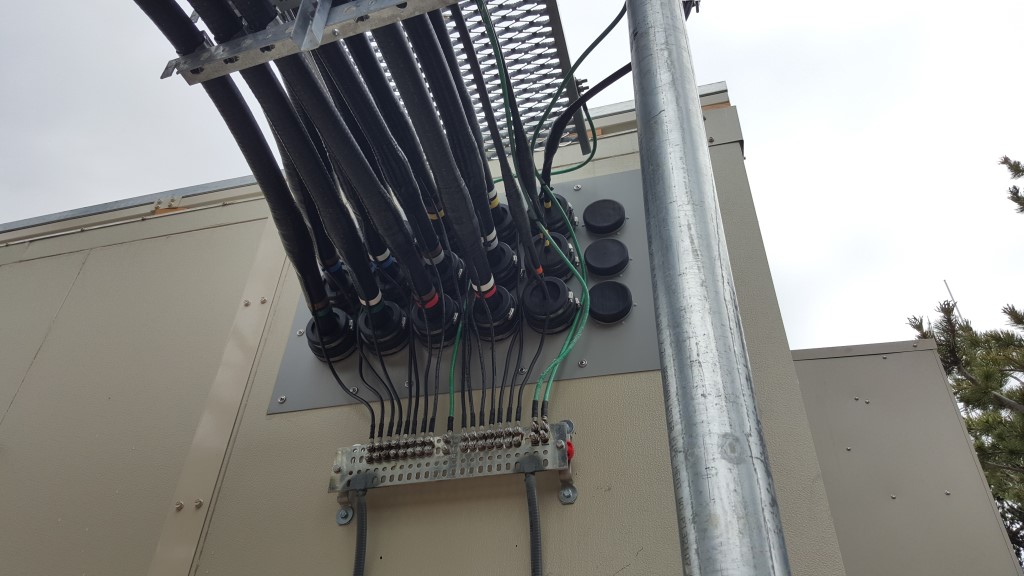
Step 3: Group and Organize Entries Like a System (Not a Patchwork)
One common issue in equipment shelters is the “patchwork wall” problem:
- a conduit here
- another conduit a few feet away
- a small hole drilled later
- a temporary seal that becomes permanent
Over time, the building becomes harder to service and easier to leak.
A better approach is a grouped entry zone.
A grouped entry zone helps with:
- cleaner cable management
- easier inspection and service
- fewer weak points in the envelope
- better long-term expansion planning
Think of it like a dedicated “utility corner” rather than random penetrations across the building.
Step 4: Seal the Envelope Like It’s a Performance Requirement (Because It Is)
A modular building envelope isn’t just for weather—it protects the interior environment and the equipment inside.
Poor penetration sealing can lead to:
- moisture intrusion
- condensation problems
- corrosion on equipment
- reduced thermal performance
- long-term staining and interior damage
In many installations, moisture issues don’t show up immediately. They show up later—after temperature swings, storms, or seasonal changes.
That’s why sealing must be treated as part of the design, not an afterthought.
Step 5: Don’t Create Condensation Traps Inside the Wall
Some cable entry installations create hidden “cold points” where condensation forms.
This often happens when:
- metal penetrations create thermal bridges
- insulation continuity is broken
- sealing is incomplete or uneven
- cold exterior surfaces meet warm interior air
That condensation can lead to:
- water streaks inside
- damp spots at penetrations
- long-term corrosion risk
Good cable entry planning supports insulation continuity and reduces the chance of cold-point condensation inside the building.
Step 6: Plan for Expansion Without Re-Penetrating the Building
A building that’s working today often gets expanded later.
The best cable entry strategy includes “future capacity,” such as:
- extra conduits in place
- spare entry ports
- planned routing space inside
- a dedicated pathway area for additional runs
This avoids the worst-case scenario:
someone drilling new penetrations later under time pressure.
Future-friendly planning reduces risk and makes upgrades faster.
Step 7: Make Service Access Easy Inside the Building
Even when penetrations are sealed correctly, internal routing matters.
A good plan includes:
- clear interior routing paths
- tidy cable support strategy
- avoidance of tripping hazards
- room to work around panels and equipment
- labeled entry routes where appropriate
When cable routing is clean and serviceable, maintenance becomes faster and safer for years.
Final Takeaway: Cable Entry Is Part of the Building System
A modular building performs best when the envelope remains controlled, sealed, and serviceable.
That requires planning cable entry early—based on:
✅ the site
✅ the equipment inside
✅ long-term expansion needs
✅ access and maintenance requirements
✅ moisture and condensation control
At Enviro Buildings, we help customers plan cable entry and building layout strategically so the final install is clean, reliable, and built for future growth—without creating unnecessary risk points.
