
January is the season for planning. New projects come into focus, budgets get assigned, timelines get mapped, and teams start asking the same question:
What’s the smartest way to build what we need—without losing time and control?
For many industries, the answer is becoming clearer every year: modular construction.
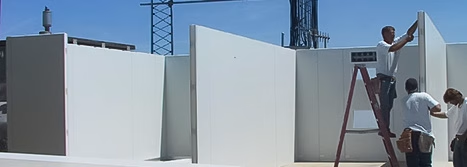
Modular buildings and panel-built structures have grown far beyond niche use. Today, they’re being used for equipment shelters, control rooms, industrial enclosures, storage buildings, site offices, and specialty facilities that need strong performance and fast deployment.
In this article, we’ll break down why modular buildings continue to gain momentum, what makes them so effective in real-world installation environments, and how to evaluate whether modular is the right choice for your next project.
The Big Shift: Projects Can’t Wait Like They Used To
Conventional construction can still be the right approach for certain builds—but many owners are facing new pressures that make speed and predictability more important than ever:
- tighter schedules
- limited site access or remote locations
- labor constraints
- weather-related delays
- higher expectations for performance and efficiency
- demand for repeatable, scalable solutions
Modular construction offers a path to move faster while maintaining control over quality and consistency.
Advantage #1: Faster Deployment Without Cutting Corners
One of the most obvious benefits of modular buildings is timeline compression.
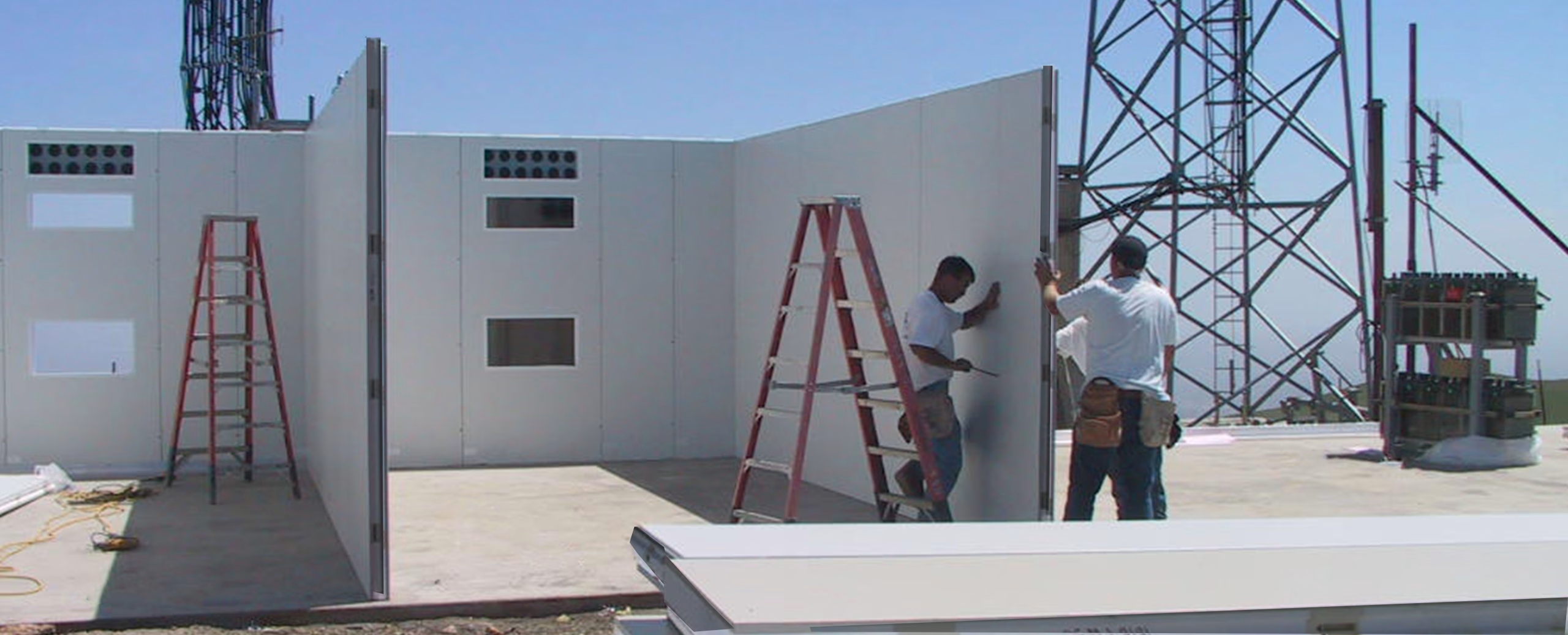
Instead of building everything piece-by-piece in the field, modular construction allows major components of the building envelope to be prepared and assembled in a controlled environment, then installed efficiently on-site.
Why speed matters:
Speed isn’t just about finishing sooner—it also affects:
- when equipment can be installed and commissioned
- how quickly the site becomes operational
- how long temporary solutions are needed
- overall project risk and cost exposure
When schedules are critical, a modular approach can be the difference between a smooth rollout and a delayed launch.
Advantage #2: Better Control Over the Building Envelope
In harsh environments, the envelope is everything.
For equipment shelters and modular structures, performance depends on:
- insulation consistency
- sealing and joint design
- air infiltration control
- moisture and condensation management
- long-term durability
The building envelope isn’t just the “shell.” It’s the system that protects what’s inside.
A well-designed modular structure supports reliable environmental control, reduces risk to sensitive equipment, and maintains performance over time.
Advantage #3: Predictable Quality Through Repeatable Design
One of the biggest challenges in traditional construction is variation. Different crews, different conditions, and different site realities can lead to inconsistent results.
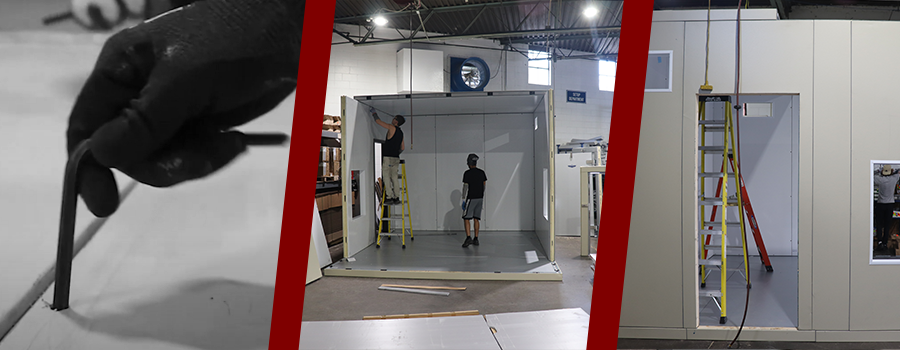
Modular buildings help reduce that variability by using repeatable, engineered design principles that can be applied across multiple projects.
This is especially important for customers that need:
- standardized installations across different locations
- repeatable performance for equipment protection
- scalable rollout schedules (one site or many)
Consistency means fewer surprises.
Advantage #4: Modular Is Built for the Real World (Not Perfect Conditions)
Many projects aren’t built on clean, open, easy-access job sites.
They’re built in:
- remote areas
- industrial facilities
- rooftops
- constrained footprints
- sites with limited installation windows
- regions with extreme temperatures or weather exposure
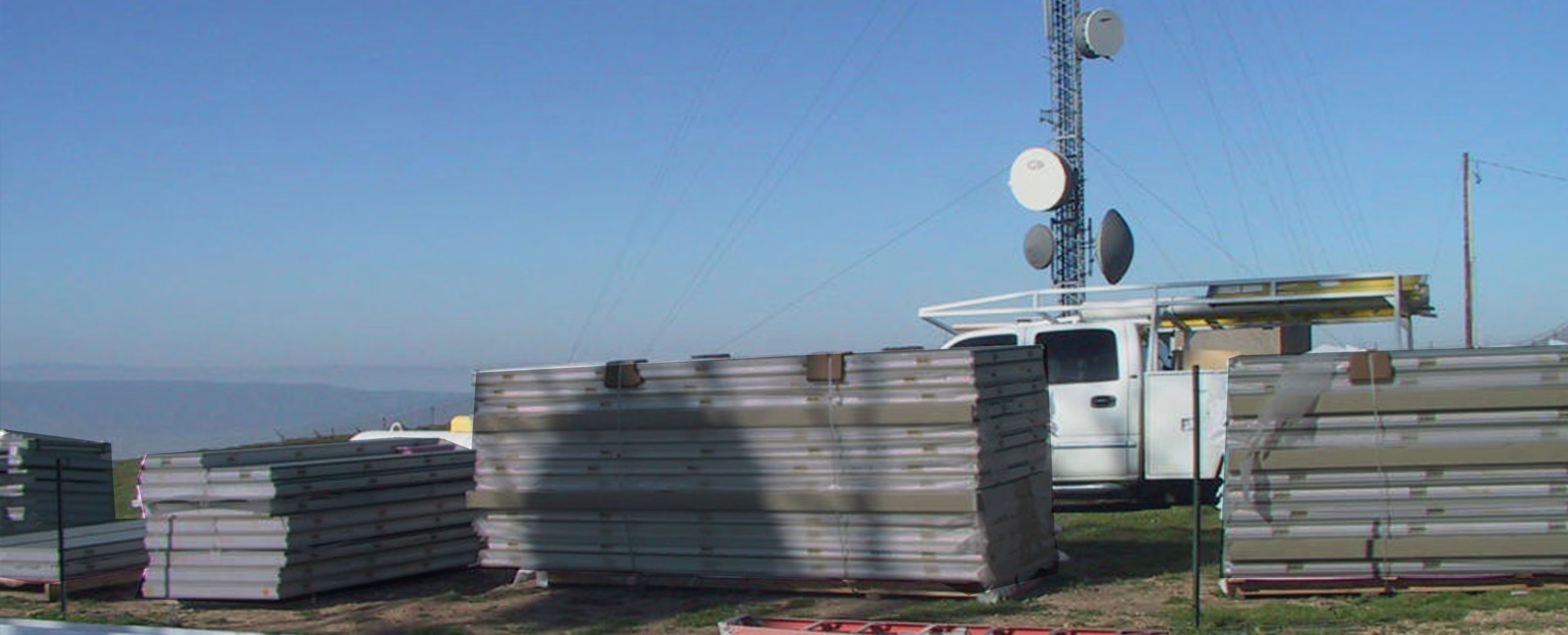
Modular construction works well in these environments because the building can be deployed efficiently once site prep is complete—often reducing the amount of time the project is vulnerable to delays.
Advantage #5: Long-Term Value Isn’t Just “Price”—It’s Performance + Reliability
Modular buildings are often evaluated on cost, but the real value is total lifecycle performance:
- durability in harsh conditions
- reduced ongoing maintenance issues
- stable thermal performance
- better protection for equipment
- fewer disruptions from weather or site access constraints
A modular building that performs reliably becomes part of your operation—not a constant maintenance concern.
Where Modular Buildings Deliver the Most Impact
Modular buildings and panel-built structures are especially valuable when you need:
Equipment protection
Telecom, controls, mechanical systems, sensitive electronics, and mission-critical components all benefit from a stable, protected environment.
Fast operational expansion
When growth depends on adding space quickly, modular options allow facilities to expand without long build timelines.
Remote site readiness
If a site is far from resources or difficult to access, a modular building can reduce field time and simplify installation logistics.
Repeatable rollout programs
If you’re deploying multiple buildings over time, modular helps standardize design, speed, and performance.
What to Consider When Planning a Modular Building Project
Modular is a powerful approach—but the best outcomes come from planning the project around real conditions.
Key considerations include:
✅ site conditions and foundation plan
✅ equipment load and interior layout
✅ ventilation, airflow, or climate control needs
✅ condensation and moisture management
✅ service access and clearance planning
✅ security and door hardware requirements
✅ timeline and installation logistics
The earlier these factors are considered, the smoother the build and installation process will be.
Final Takeaway: Modular Wins When You Need Speed, Control, and Reliability
Modular buildings are growing because they solve real problems:
- faster deployment
- consistent performance
- better envelope control
- predictable installation results
- scalable long-term solutions
At Enviro Buildings, our focus is helping customers build modular structures that perform in the real world—whether the goal is equipment protection, fast deployment, expansion planning, or durable long-term use.
If you’re planning projects this year, modular construction may be the smartest way to move quickly while keeping control over performance and reliability from day one.