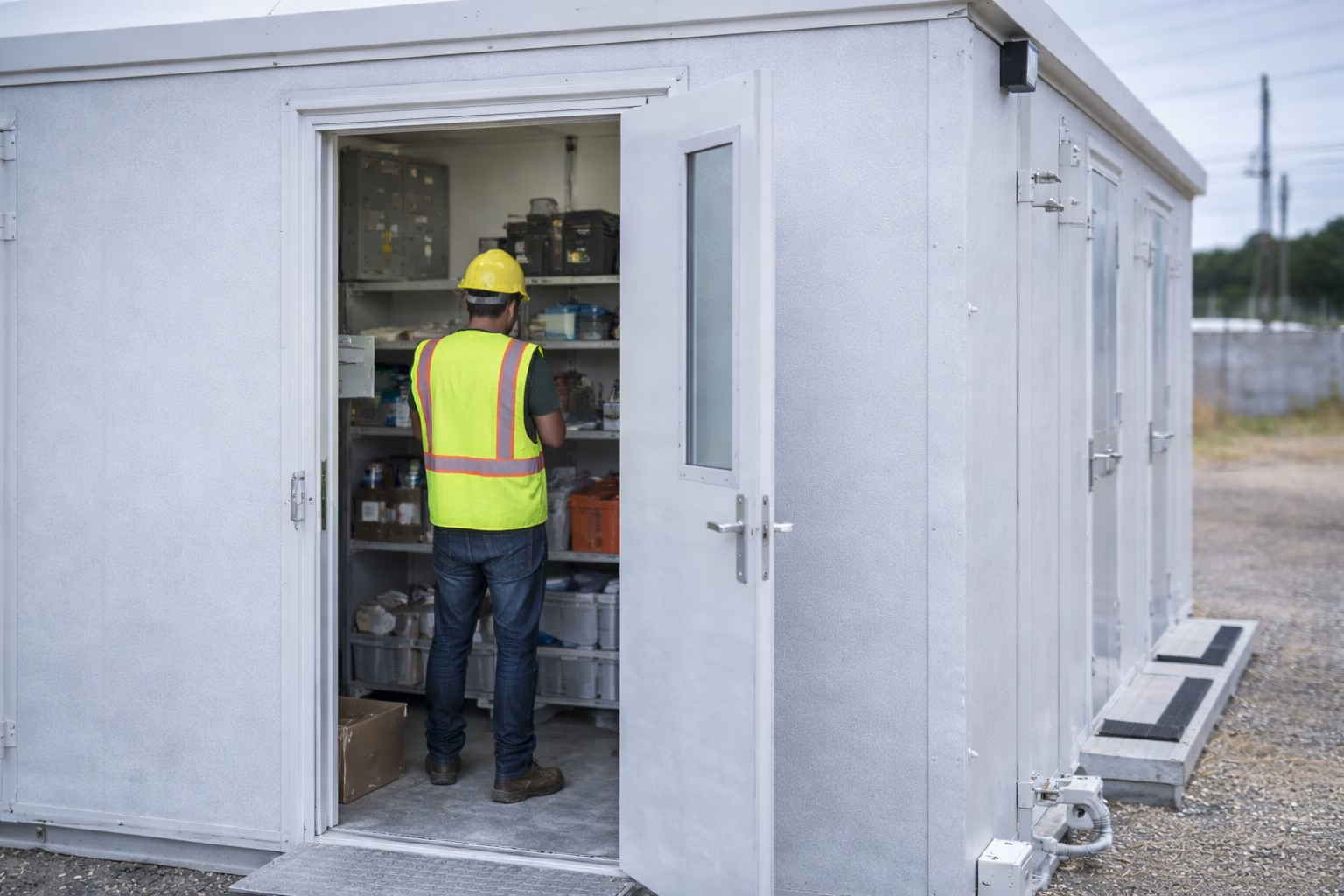
A modular building can be perfectly engineered—but if technicians can’t service equipment efficiently, the building becomes a daily frustration.
Service access is one of the most overlooked parts of modular building planning. It’s easy to focus on square footage and equipment capacity, but the true value of a modular structure is how smoothly it supports real-world operations:
- scheduled inspections
- routine maintenance
- emergency access
- component replacement
- upgrades and expansions
A building that’s hard to service costs more over time—through labor, downtime, and risk.
In this article, we’ll cover the practical layout and access decisions that make modular buildings easier to maintain, safer to operate, and more valuable long-term.
Why Service Access Should Be a Design Requirement
Many buildings technically “fit” the equipment they house.
But service doesn’t happen when equipment is brand new and perfectly installed. It happens later, when:
- technicians need clearance to work
- tools and parts need to be brought in
- components need replacement
- crews need safe movement space
- emergency repairs happen fast
Service access is not a luxury feature. It’s a reliability feature.
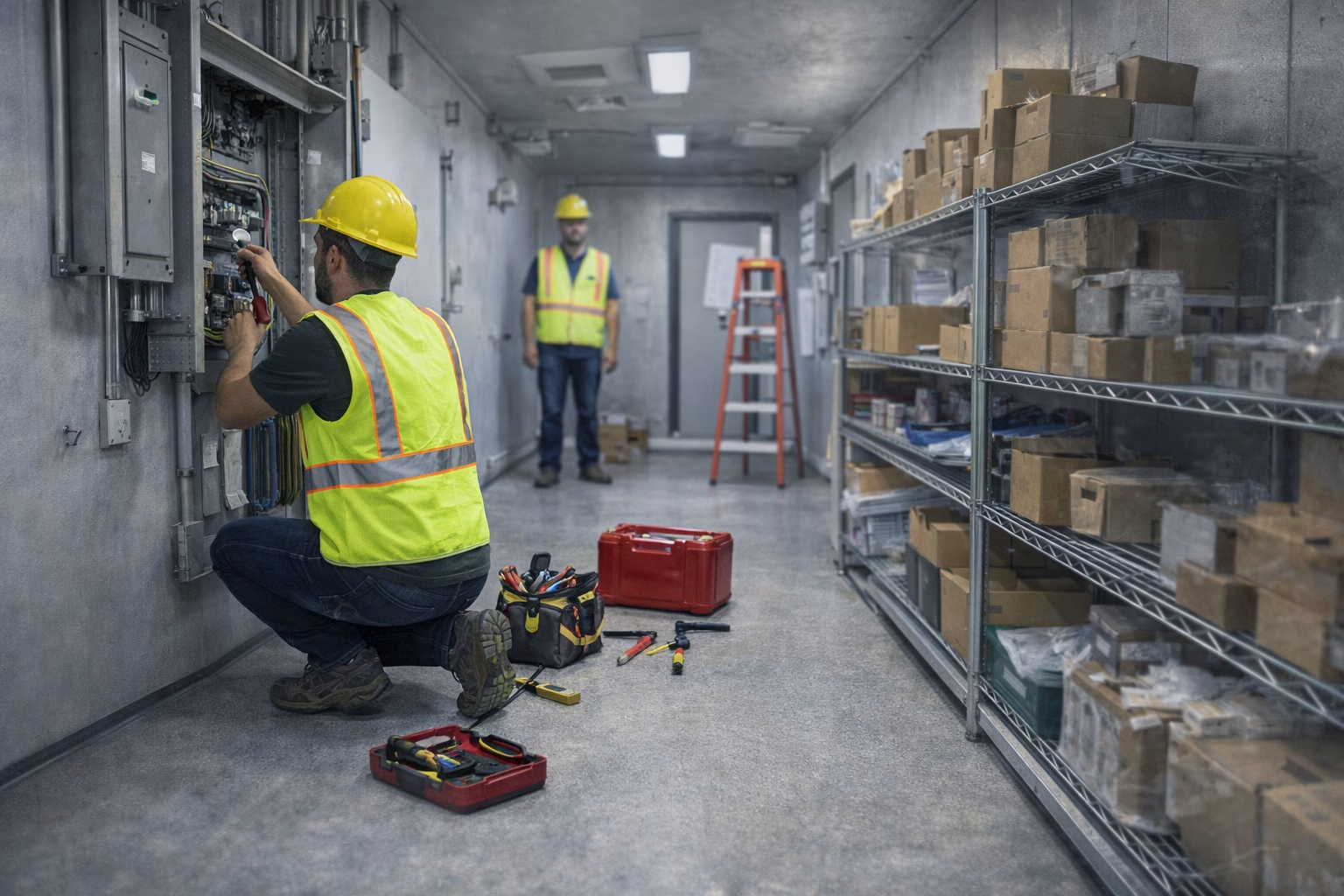
Step 1: Door Placement Should Match How Equipment Is Serviced
Door placement isn’t just about entry—it’s about efficiency.
A door in the wrong place creates:
- longer access time
- more interior obstacles
- higher chance of damage during maintenance
- unsafe working conditions
Think about how technicians enter and work:
- Do they need to carry large parts in and out?
- Does equipment require straight-line access?
- Will they bring carts or tool cases?
- Is there a “service side” of equipment?
A well-placed door reduces service time and makes upgrades smoother.
Step 2: Clearance is the Hidden Difference Between “Works” and “Works Well”
Equipment specs often include service clearance requirements.
But many projects only plan for equipment footprint—not service footprint.
Clearance planning should include:
- front access clearance for panels and controls
- side clearance for inspection and wiring
- overhead clearance if components lift out
- turning space for technicians and tools
Even small improvements in clearance can reduce maintenance time significantly.
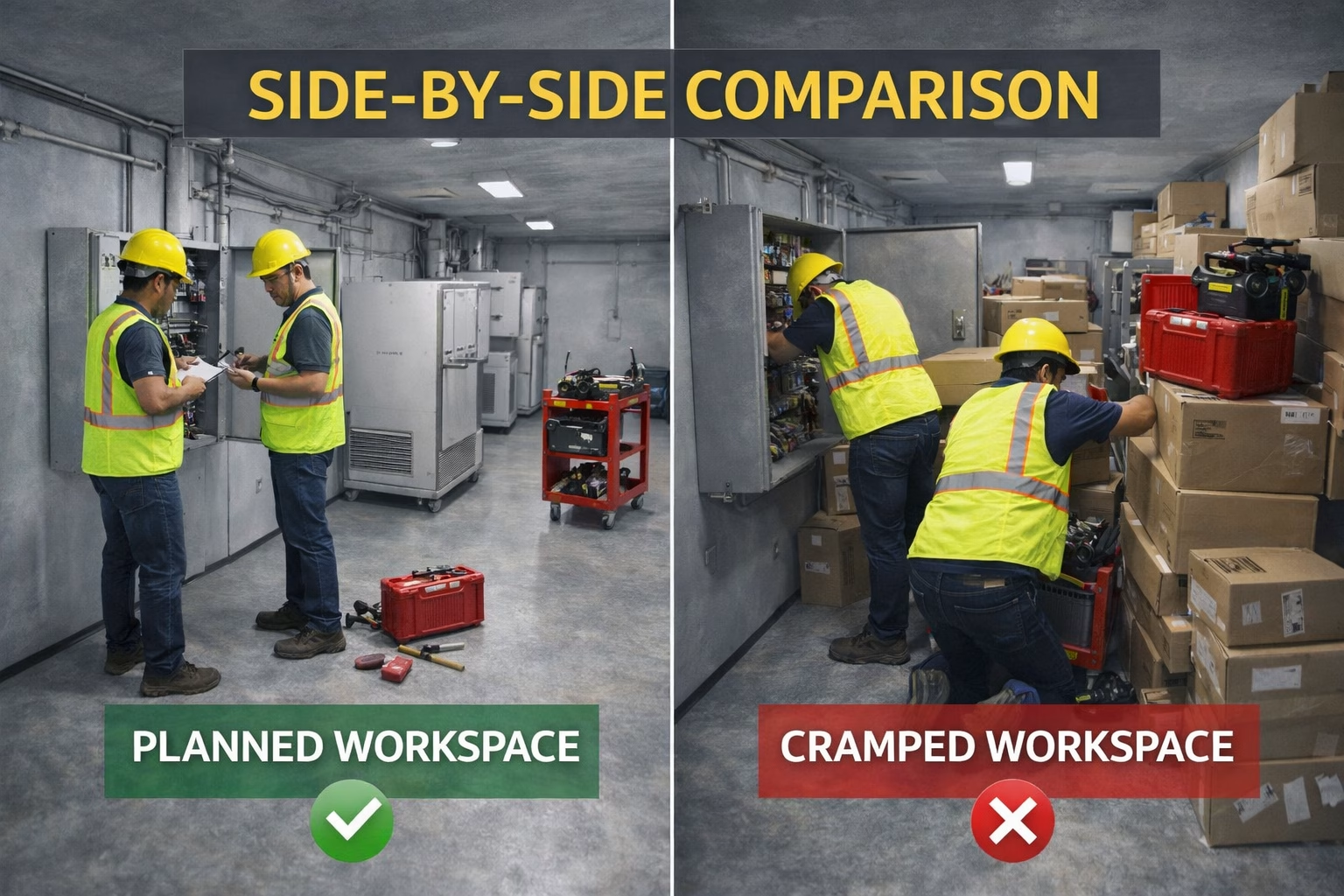
Step 3: Leave Space Where People Actually Stand and Work
Some layouts leave “empty space” in a way that looks good on paper but doesn’t support real service tasks.
Technicians need room to:
- open panels fully
- work at comfortable angles
- place tools safely
- access cabling without contorting
- remove and replace components
A building should be planned around the human workspace, not just the equipment outline.
Step 4: Build in a Clean Routing Strategy for Cables and Conduit
Messy cable routing can block access and increase service difficulty.
A clean plan includes:
- grouped entry zones
- predictable routing pathways
- clear separation between power and signal
- protection from accidental damage
- enough space to add future runs
Service-friendly routing reduces downtime because upgrades are easier and troubleshooting is faster.
Step 5: Plan for Replacement Paths, Not Just Installation
A common mistake is designing for installation day, but not replacement day.
Some components can’t be removed easily if:
- the door opening is too small
- equipment is boxed in by other systems
- clearance isn’t available for removal
- pathways are obstructed
A good layout considers:
- what happens when the largest component needs replacement
- how that component exits the building
- whether two technicians can work safely at once
This is where thoughtful door sizing and placement matter.
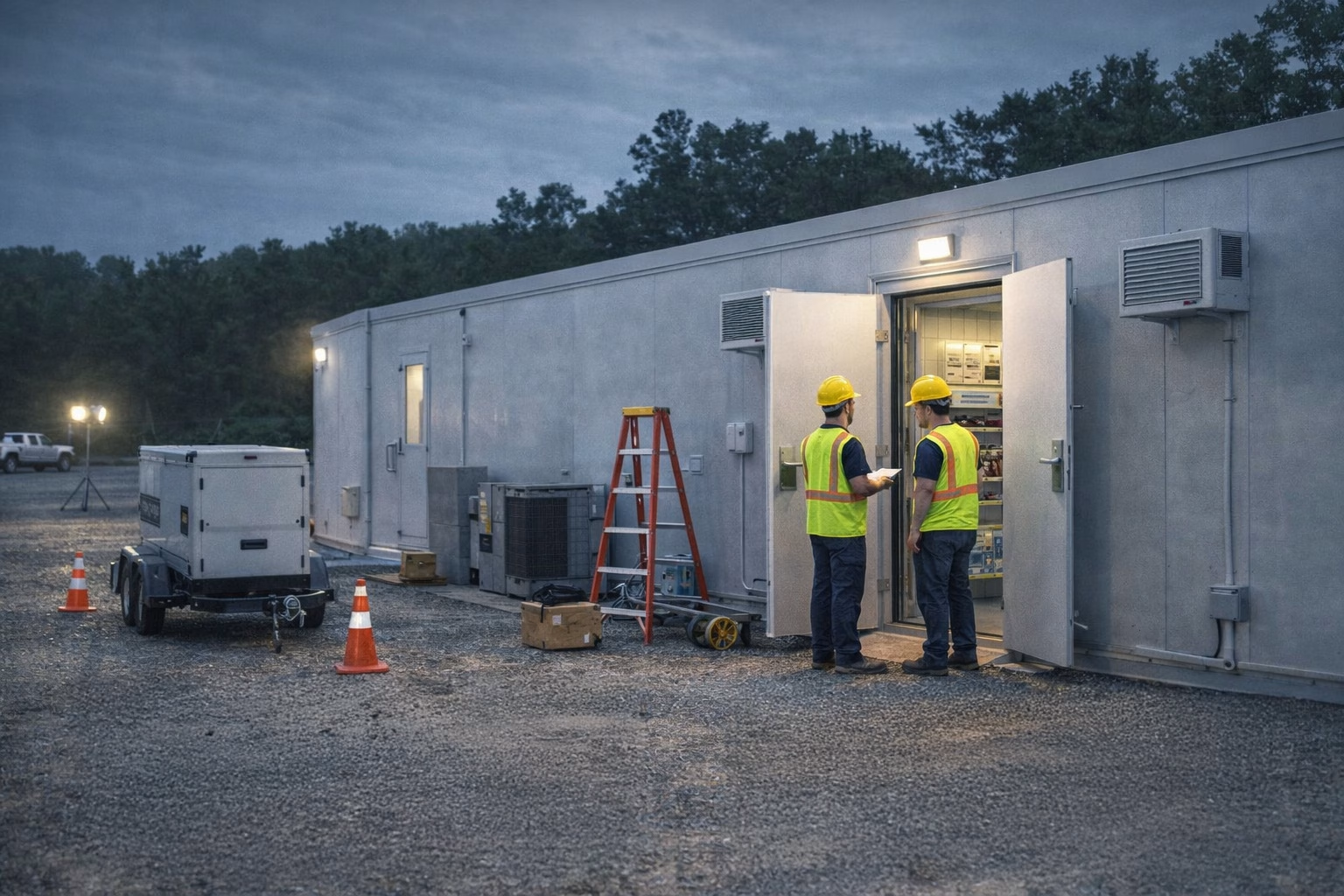
Step 6: Don’t Ignore Exterior Service Access
Service isn’t only inside the building.
External access also matters:
- clearance for technicians to reach doors safely
- space for staging equipment
- safe pathways for remote sites
- lighting and visibility where appropriate
- protection from weather exposure near entry points
A modular building’s value increases when service is easy and predictable—even in harsh environments.
Step 7: Make the Layout “Maintenance Logical”
A service-friendly interior layout usually includes:
- clear “work zones” around equipment
- unobstructed access to controls
- enough aisle space for movement
- predictable placement of key systems
- room for safe workflow during repairs
When maintenance is logical, it becomes faster and less disruptive.
Final Takeaway: Better Access Means Lower Cost and Less Downtime
The best modular buildings don’t just protect equipment—they support the people maintaining it.
Designing for service access helps you:
✅ reduce long-term labor cost
✅ shorten downtime during repairs
✅ improve safety and workflow
✅ support easier future upgrades
✅ protect your building investment
At Enviro Buildings, we help customers plan modular layouts that balance equipment needs with real-world service requirements—so the building stays functional and efficient for years to come.