
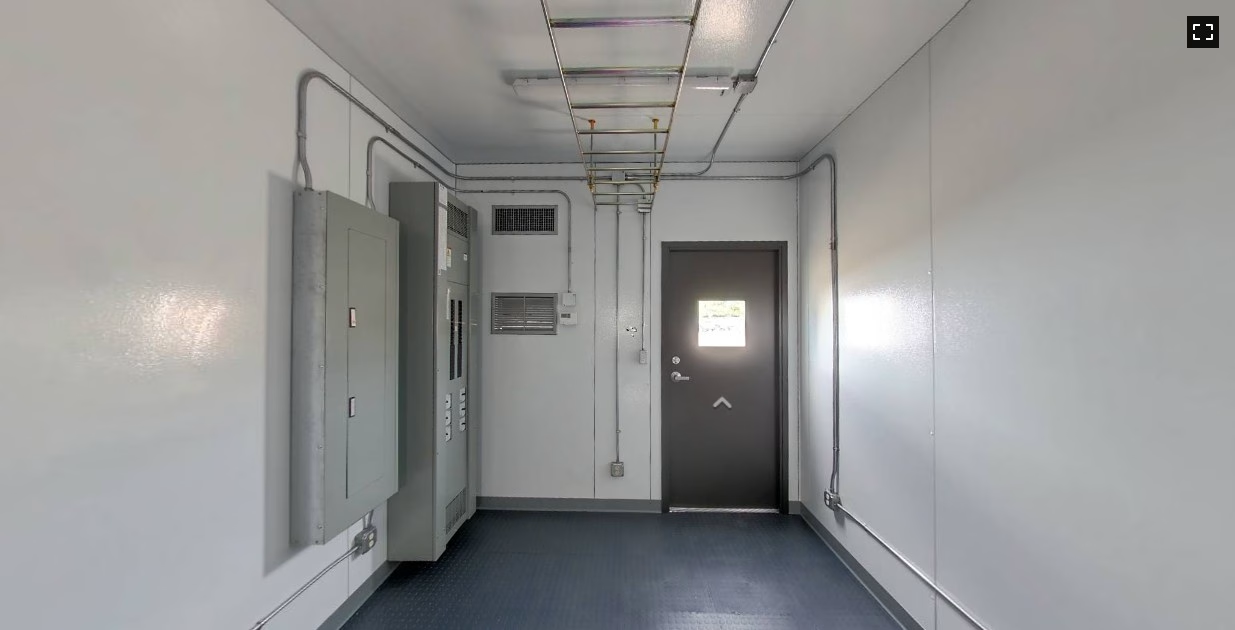
One of the biggest advantages of modular buildings is flexibility.
A modular structure isn’t limited to one narrow purpose. When designed correctly, it can support multiple applications—either from day one or as needs evolve over time.
That’s why modular buildings have expanded far beyond single-use shelters. Today they are used for:
- equipment shelters
- mechanical and control rooms
- storage buildings
- work rooms and operational spaces
- office and admin support
- industrial enclosures
- temporary or transitional sites
The value is simple: one structure can adapt to many needs.
In this article, we’ll explore why multi-use modular design is growing, what it looks like in practice, and how to plan a building that stays useful even when requirements change.
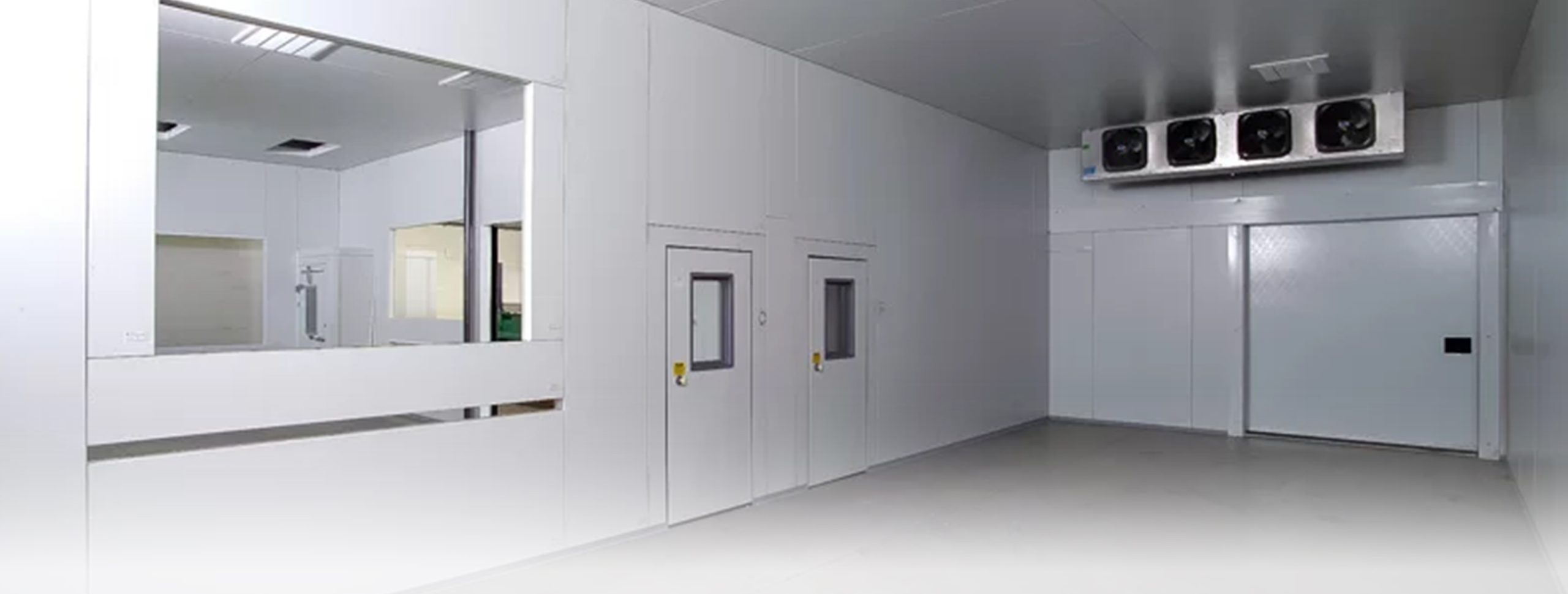
Why Multi-Use Space Is Becoming More Important
Facilities are under constant pressure to adapt.
Needs change because of:
- new equipment installations
- production or service expansion
- new safety requirements
- upgrades in infrastructure systems
- growth across multiple sites
- shifting workflow and staffing needs
When a building is designed only for one narrow function, changes can force expensive rebuilds.
Multi-use modular design helps future-proof operations by allowing space to evolve without starting over.
What Makes a Modular Building “Multi-Use Ready”
A multi-use modular building typically has three characteristics:
1) Flexible layout strategy
Instead of designing around one rigid equipment footprint, the building includes:
- clear zones
- open planning areas
- space that can be repurposed easily
- service pathways that remain usable as the interior changes
2) Utility planning that supports change
Multi-use buildings anticipate that power, data, and mechanical needs may evolve.
Future-ready features include:
- grouped utility entry zones
- planned expansion pathways
- organized routing space
- capacity planning for additional service needs
3) Envelope performance that supports multiple environments
A multi-use structure needs a stable envelope because it may support different interior needs over time.
Strong insulation and sealing strategy help the building work as:
- an equipment shelter
- a work room
- a storage space
- an operational support room
A reliable envelope is what makes multi-use possible.

Multi-Use Applications: How Facilities Actually Deploy Modular Space
Here are common real-world ways customers use multi-use modular buildings:
Equipment + Storage combination
A shelter houses equipment, while additional space holds spares, tools, or staged components—improving efficiency during service and reducing site trips.
Mechanical + Work room combination
A building supports mechanical systems and provides interior workspace for maintenance and operational tasks.
Control room + staging space
Facilities combine a protected control environment with a staging area for parts, documentation, and service tools.
Office + operational support space
Many sites need a functional office or planning space near critical operations, and modular can provide that without a long build timeline.

The Biggest Benefit: Multi-Use Reduces the Need for “Extra Buildings”
One of the fastest ways to increase costs is to add structures over time because the original building was too narrow in design.
Multi-use modular buildings reduce that risk by supporting evolving needs.
That means:
✅ fewer new builds
✅ fewer permits and site disruptions
✅ less utility rerouting
✅ reduced complexity over time
Instead of adding structures reactively, the facility uses one flexible space intelligently.
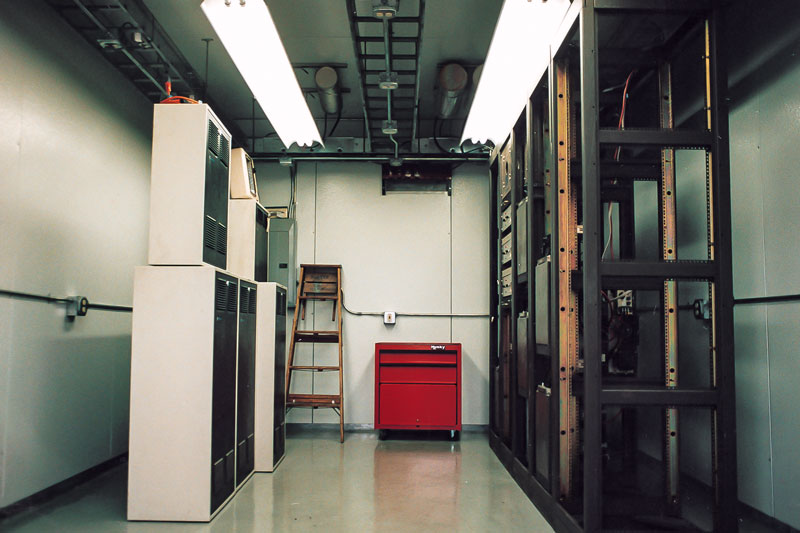
Planning Tips for Multi-Use Modular Design
If you want a building that stays useful long-term, plan for:
1) Interior flexibility
Keep space adaptable so the building isn’t “locked” into one function.
2) Service access preservation
Even multi-use buildings need maintenance access. Don’t block service clearances when redesigning interior use.
3) Utility expansion readiness
Don’t assume the initial install is the final one. Future capacity planning reduces disruptive modifications.
4) Durable interior finishes
Multi-use buildings tend to see more traffic and change. Durable finishes prevent the space from degrading over time.
5) Clean airflow and ventilation planning
Different uses demand different airflow needs. A stable, intentional ventilation strategy helps avoid moisture or overheating issues.

Final Takeaway: The Best Buildings Stay Useful Even When Plans Change
Multi-use modular design is about flexibility, resilience, and long-term value.
A building that can serve multiple purposes helps facilities:
✅ adapt quickly
✅ expand efficiently
✅ reduce disruption
✅ avoid repeat builds
✅ protect investment value over time
At Enviro Buildings, we help customers plan modular structures that aren’t just built for today’s needs—but designed to stay valuable through whatever the next phase requires.