
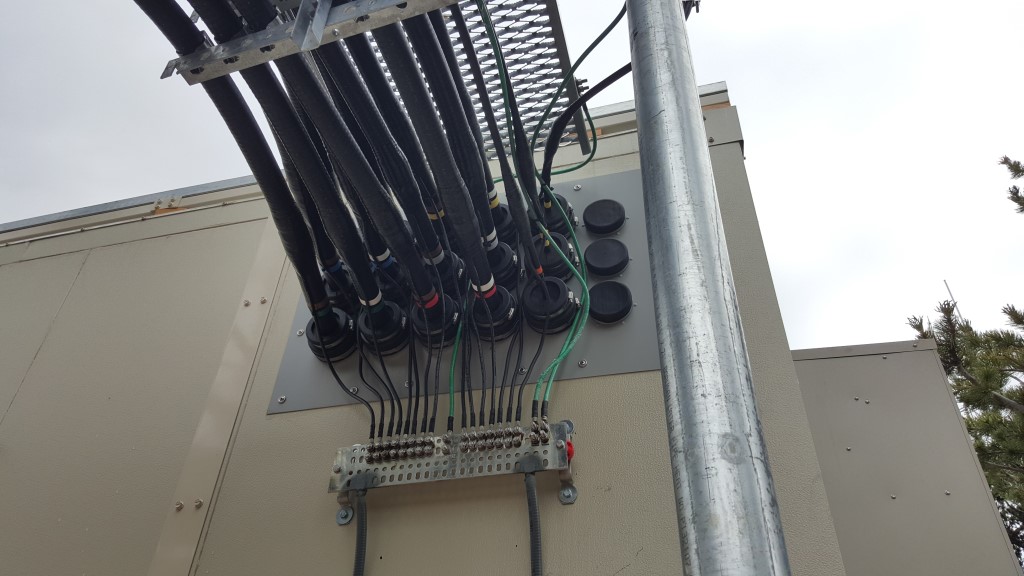
Many modular building projects focus on the big decisions:
- building size
- layout and doors
- equipment fit
- interior configuration
- foundation strategy
Those are important. But long-term performance is often decided by the “small details” that don’t seem exciting during planning.
These details include:
- how penetrations are handled
- how seams and transitions are protected
- how doors seal and close over time
- how utility entry is organized
- how moisture is prevented from becoming a recurring issue
The difference between a building that performs effortlessly for years and one that requires frequent maintenance often comes down to these overlooked specifications.
In this article, we’ll cover the high-value small details customers forget—and why they matter so much.

1) Penetration Planning: The Envelope Is Only as Strong as Its Openings
The building envelope can be perfectly engineered, but every penetration introduces risk.
Common penetration types include:
- power conduit
- data and telecom routing
- mechanical utilities
- vent openings
- service entry points
What goes wrong when penetrations aren’t planned:
- random holes get drilled late
- sealing becomes inconsistent
- future upgrades require more penetrations
- moisture and air infiltration risk increases
- security weak points appear
High-value spec to include:
✅ grouped cable entry zones
✅ future conduit capacity planning
✅ sealed entry systems designed for long-term durability
✅ clean internal routing paths for service access
Penetrations should be intentional—not improvised.
2) Sealing Strategy: Most “Leaks” Start Small
Many long-term moisture problems come from tiny weaknesses that develop over time:
- slight gaps at transitions
- seal fatigue from temperature cycling
- water exposure where runoff hits repeatedly
- field modifications that weren’t sealed correctly
Sealing is not just for rain protection—it supports:
- thermal efficiency
- humidity control
- equipment protection
- long-term durability
High-value spec to include:
✅ protected seams at vulnerable exposure zones
✅ proper sealing treatment at transitions
✅ minimized field modifications through early planning
A well-sealed building stays stable. An “almost sealed” building becomes a maintenance cycle.

3) Door Closure and Hardware: The Building Is Only as Secure as the Entry
Doors are the most-used part of many modular buildings—especially equipment shelters with routine maintenance access.
When doors aren’t specified correctly, you may see:
- inconsistent closure
- air infiltration
- moisture intrusion at thresholds
- long-term hardware wear
- security risk at remote sites
High-value spec to confirm:
✅ door closes fully every time
✅ door seals tight consistently
✅ hardware supports long-term usage patterns
✅ access stays secure without making service difficult
Doors should be specified for performance and durability—not just “basic closure.”

4) Base Exposure and Drainage: Small Site Conditions Create Big Long-Term Wear
Many building problems are blamed on the structure when the site is the real cause.
If water pools near the base, you increase:
- long-term moisture stress
- splashback exposure
- corrosion risk
- freeze/thaw wear in cold climates
- access hazards during service
High-value spec to include:
✅ grade and drainage plan around the building
✅ base strategy chosen for site conditions
✅ elevation planning if the location is prone to water accumulation
A great building lasts longer on a properly prepared site.

5) Interior Layout: Service Access Is a Performance Feature
Interior design isn’t just about fitting equipment—it’s about maintaining it.
When layouts don’t plan for service access, facilities struggle with:
- longer maintenance time
- increased downtime risk
- unsafe working conditions
- “temporary” workarounds that become permanent
High-value spec to confirm:
✅ service clearance and workspace
✅ access around critical equipment
✅ clean cable routing paths
✅ door placement aligned to how equipment is serviced
Service access reduces long-term operational cost.

6) Ventilation Details: Good Airflow Can’t Be an Accident
Ventilation is often treated as a basic checkbox, but it impacts:
- equipment heat control
- condensation risk
- interior stability
- long-term corrosion exposure
Poor ventilation planning can:
- create stagnant zones
- bring in excess humidity
- create temperature cycling that triggers condensation
High-value spec to include:
✅ ventilation designed for climate conditions
✅ intentional intake/exhaust placement
✅ interior airflow pathways preserved in layout planning
Ventilation should support stability, not invite moisture.
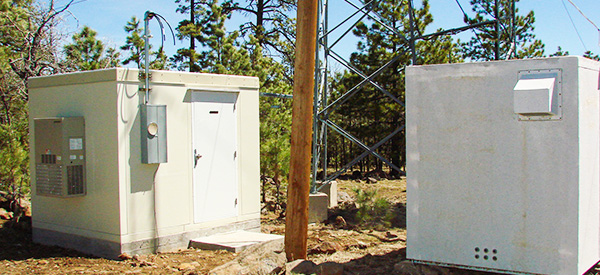
Final Takeaway: The Small Specs Decide the Long-Term Outcome
The biggest value in modular building planning often comes from details that are easy to overlook.
If you want reliable long-term performance, focus on:
✅ penetration planning and sealing strategy
✅ door hardware and consistent closure
✅ drainage and base exposure control
✅ service-friendly interior layout
✅ ventilation designed for real climate conditions
At Enviro Buildings, we help customers think through these high-value details early—so modular structures perform cleanly, efficiently, and reliably for years, not months.
