

Cold weather doesn’t just bring lower temperatures—it brings a cycle of conditions that can stress buildings over time.
For modular buildings installed outdoors, winter introduces challenges like:
- freeze/thaw expansion and contraction
- snow and ice exposure around doors
- shifting moisture patterns
- higher condensation risk due to temperature swings
- service access issues caused by snow buildup and ice hazards
The good news is that modular buildings are well-suited for cold environments when they’re specified and installed with seasonal realities in mind.
In this article, we’ll cover what freeze/thaw conditions do to modular buildings, where problems typically start, and what planning steps help ensure reliable winter performance.
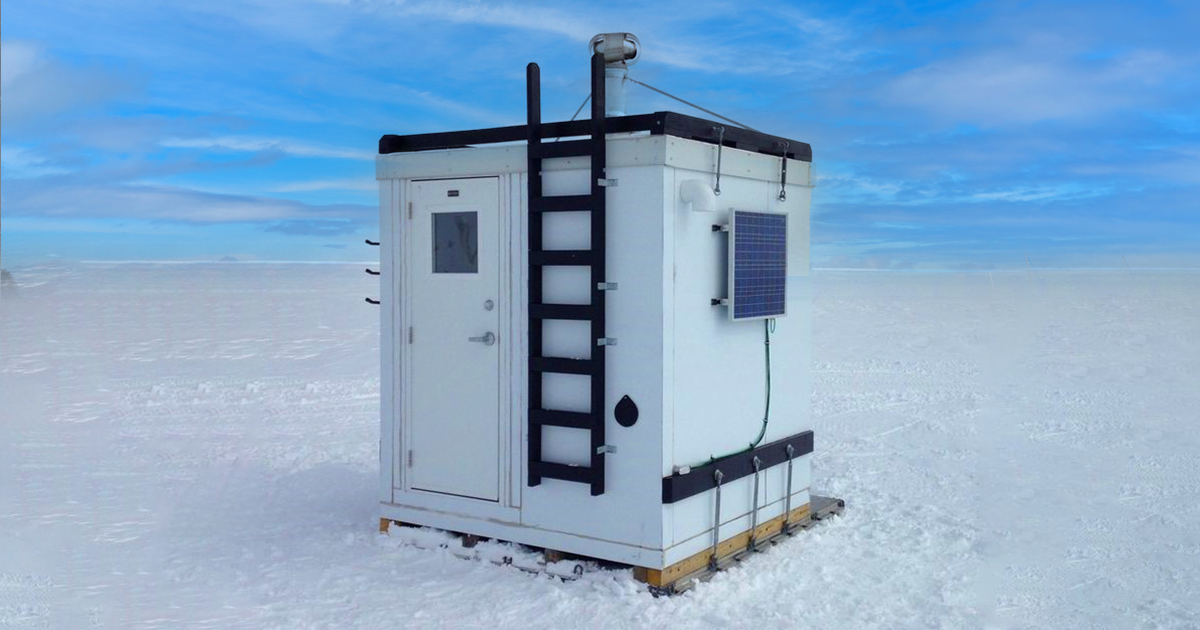
Why Freeze/Thaw Cycles Create Problems
Freeze/thaw isn’t one event—it’s a repeating cycle.
When temperatures swing above and below freezing, you can see:
- moisture freezing and expanding in small gaps
- seal stress at seams and transitions
- ice buildup near entry points
- water intrusion risk around base lines and penetrations
- surface wear from repeated exposure
Even small issues can grow over time when water is allowed to enter and freeze repeatedly.
The goal is not just winter survival.
The goal is year-after-year durability.
The Most Common Winter Vulnerability Zones
1) Doors and thresholds
Winter often reveals door-related issues first. Snow melt, ice, and repeated freezing around the entry can lead to:
- sticking doors
- stiff operation
- gaps that worsen over time
- moisture infiltration at floor level
A door can be fully functional in summer and become frustrating in winter if thresholds and sealing aren’t protected.
2) Base line exposure and drainage
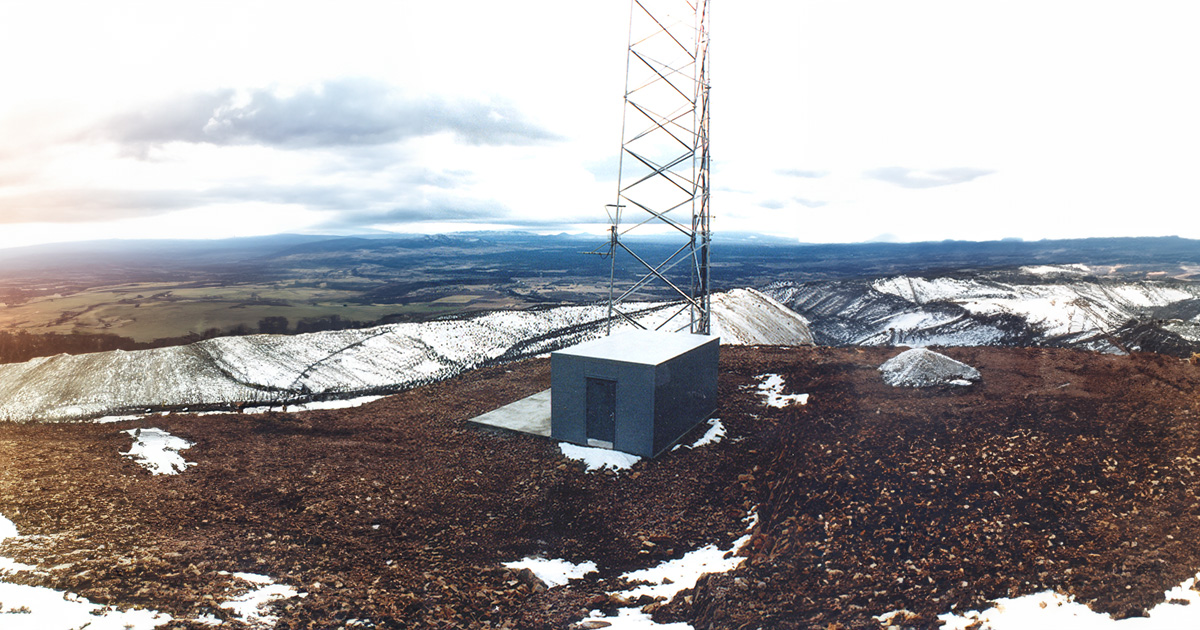
A building that sits in water during winter doesn’t just stay wet—it stays under freeze/thaw stress.
This can lead to:
- ice buildup around the base
- water pooling and refreezing
- long-term wear at lower edges
- access hazards for service teams
Drainage matters more in winter because water doesn’t leave the site as quickly.
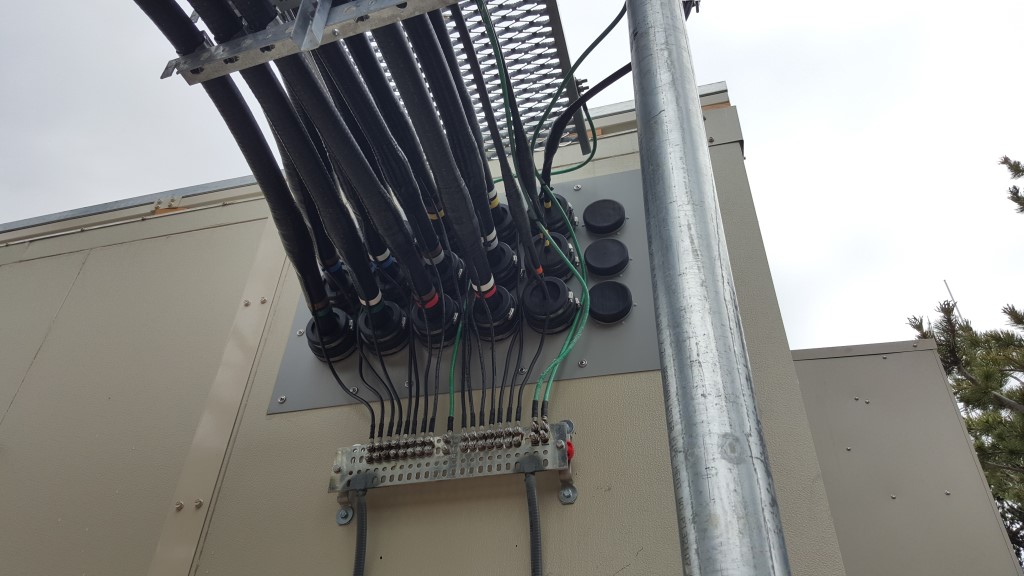
3) Penetrations and cable entry points
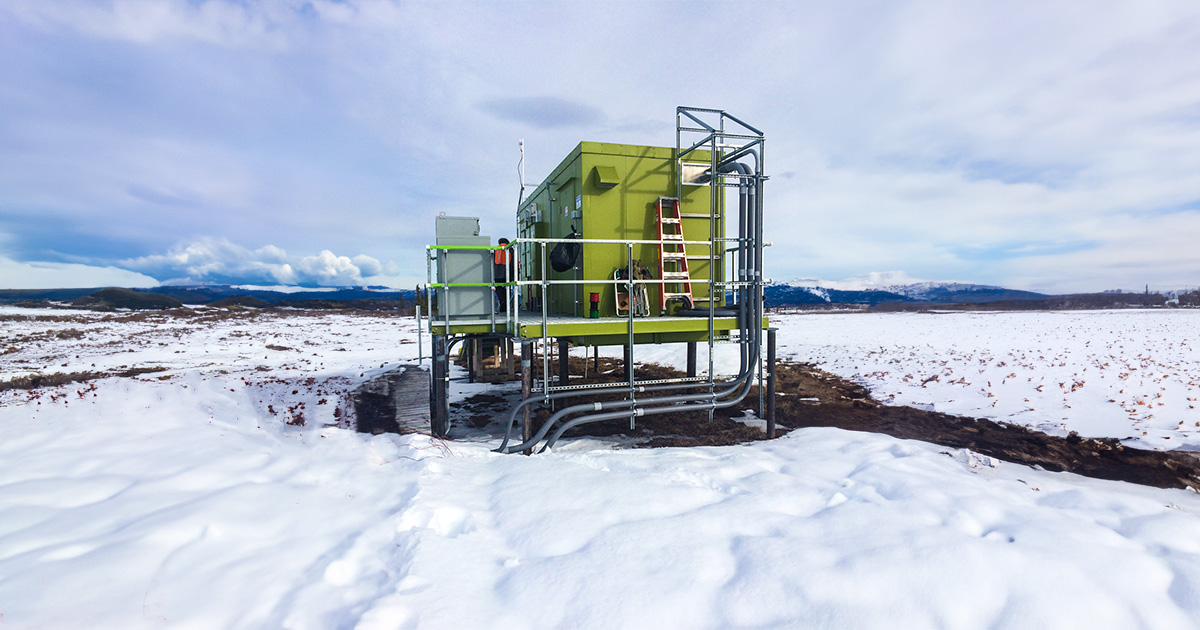
Penetrations are part of the envelope system.
In winter, small sealing weaknesses can become more noticeable because:
- cold air infiltrates
- moisture freezes in gaps
- repeated expansion stresses seals
This is why cable entry planning and sealing are critical for winter performance.

4) Roof edges and runoff patterns
Winter snow melt and refreeze can create runoff patterns that repeatedly expose seams and edges.
If runoff flows into vulnerable areas, it increases stress on:
- roof-to-wall transitions
- edge joints
- door entry areas below runoff paths
Water shedding strategy is one of the best long-term winter protections.

Practical Steps to Improve Winter Performance
1) Prioritize drainage planning before winter hits
A building that stays dry lasts longer.
If you want winter stability, confirm:
✅ grade directs water away from the building
✅ the base isn’t surrounded by standing water
✅ snow melt has a runoff path that doesn’t pool
✅ access paths don’t turn into ice zones
Even a great building struggles if it’s installed in a low spot that traps water.
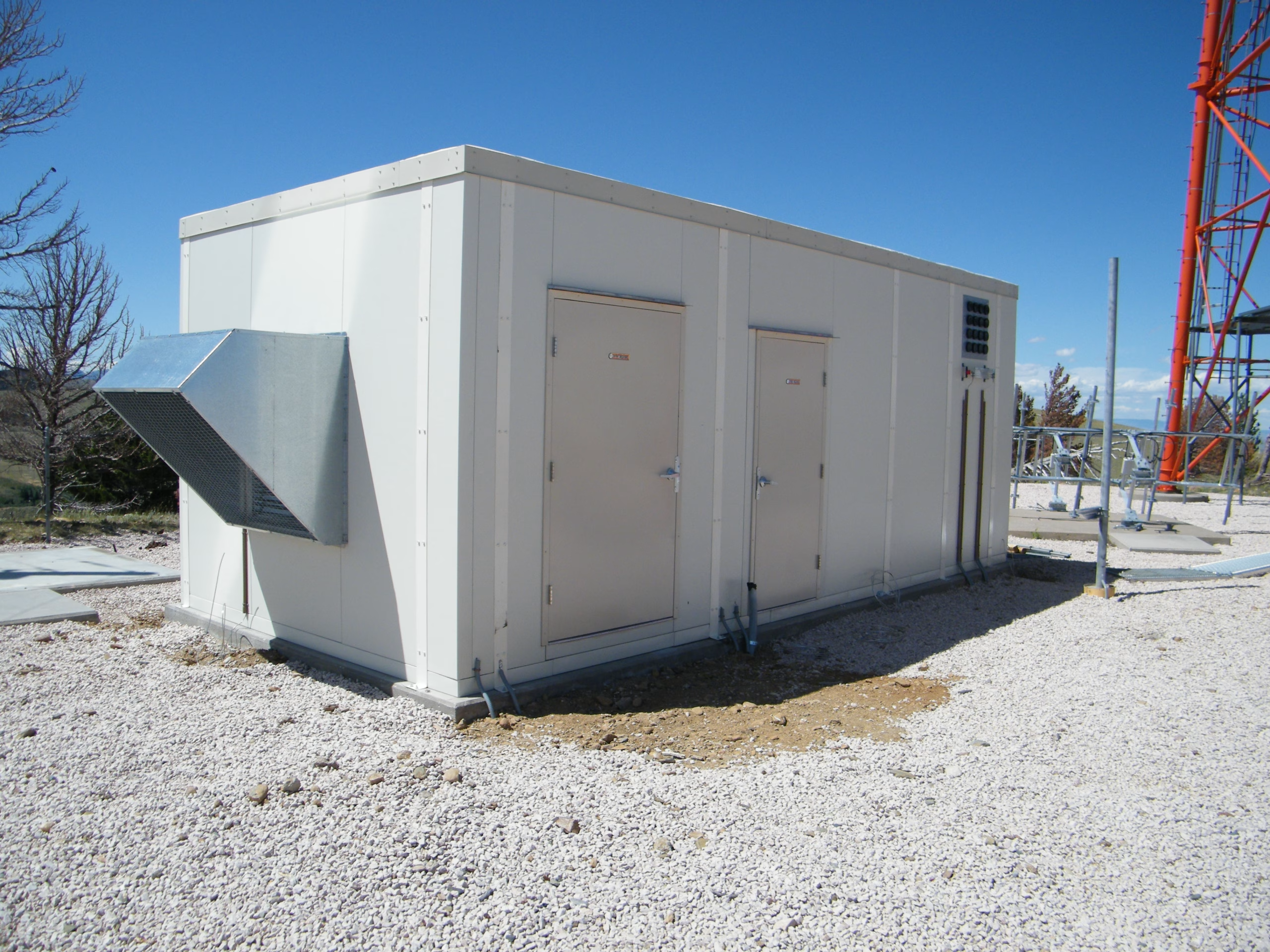
2) Protect entry points from snow and ice buildup
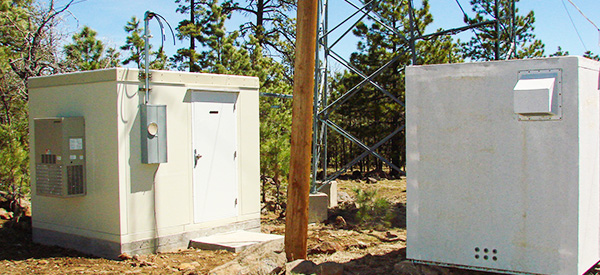
Winter access problems often start when snow drifts and meltwater collect at the door.
Best practice is to plan for:
✅ clear access space near doors
✅ safe pathways for service crews
✅ entry zones that don’t trap runoff
✅ snow management strategy near door lines
A building can be secure and durable, but service access still matters.
3) Keep sealing points intact—especially around penetrations
Winter is when poorly sealed penetrations become obvious.
The best approach is prevention:
✅ grouped penetration planning
✅ strong sealing strategy
✅ minimized “field-drilled” openings
✅ protected cable entry placement when possible
Sealing matters even more when cold air and moisture are constantly working against the envelope.
4) Plan ventilation and interior conditions to avoid condensation events
Cold weather increases condensation risk because:
- exterior temperatures drop
- interior heat from equipment rises
- warm humid air meets cold surfaces
Condensation is common in winter if:
- ventilation introduces humidity
- air movement is stagnant
- equipment cycles create temperature swings
Stable airflow and a climate-appropriate ventilation plan help reduce risk.
5) Think about long-term exposure, not just the first winter
The first winter may be fine. The fifth winter is the true test.
Winter readiness is about durability over time:
- reducing repeated moisture stress
- preventing ice-driven damage at weak points
- protecting the base and entry from runoff
- maintaining stable interior conditions

Final Takeaway: Winter Performance Depends on Planning the Small Details
Modular buildings can perform extremely well in cold climates when they’re planned for freeze/thaw reality.
The most effective winter readiness priorities are:
✅ drainage control at the base
✅ protected entry access and snow management
✅ sealed penetrations and envelope transitions
✅ smart roof runoff strategy
✅ stable ventilation planning that avoids moisture buildup
At Enviro Buildings, we help customers specify modular structures that handle real seasonal exposure—so winter doesn’t become a maintenance season, it stays a normal operating season.