
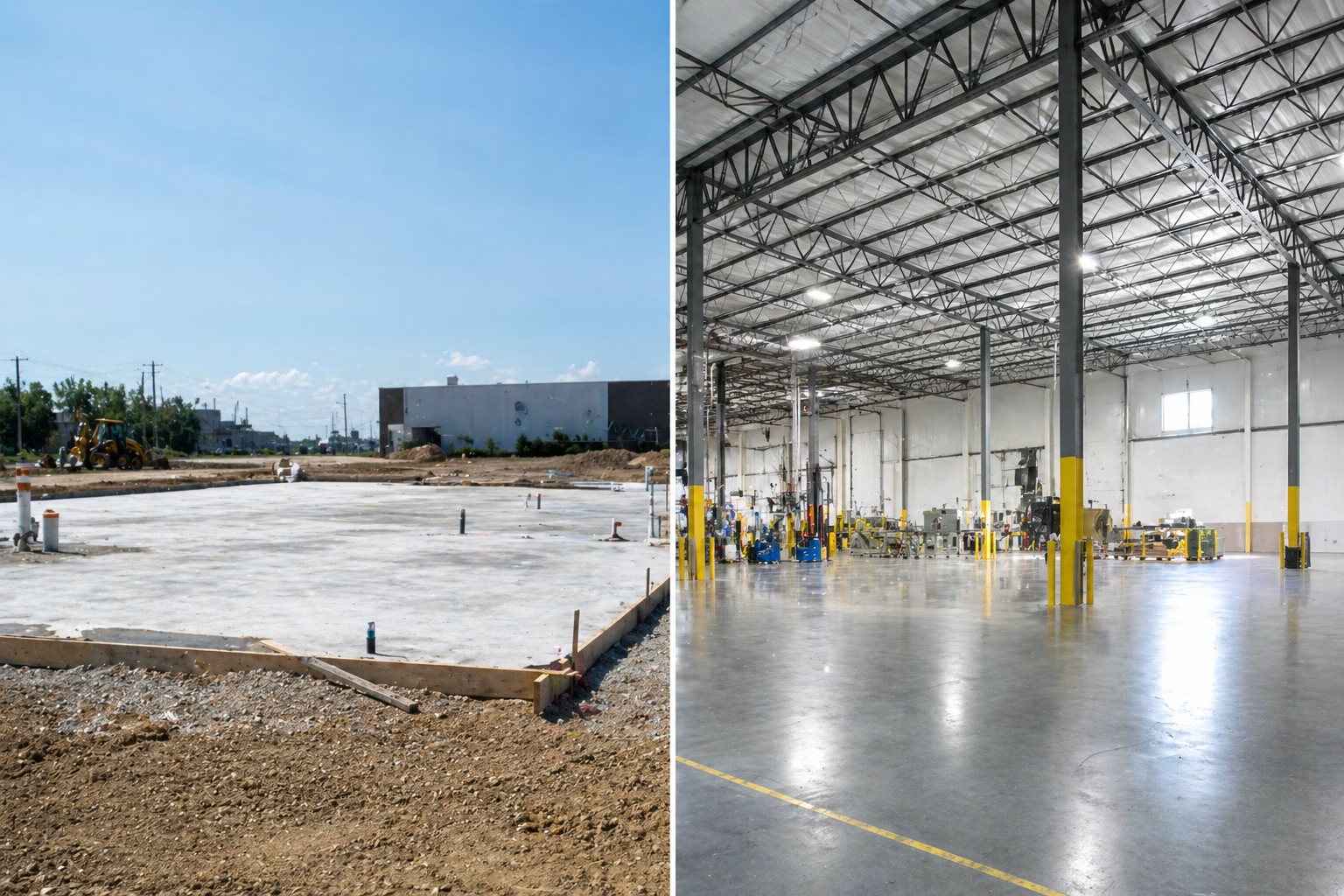
Modular buildings are often treated as a “one-size-fits-all” solution—but where the structure is installed changes the design requirements more than most people expect.
A building installed inside a controlled facility faces very different conditions than one installed outdoors in full weather exposure.
Even two outdoor installations can differ dramatically depending on:
- site conditions
- climate
- access and traffic
- service requirements
- security needs
In this article, we’ll break down how installation environment changes the building spec—and what customers should consider before ordering.
Why Location Changes Everything
The purpose of a modular building is simple:
create a protected, reliable environment for the equipment or workspace inside.
But the environment outside the building influences what the building needs to do.
Indoor installations typically focus on:
- workflow access
- clean integration into the facility
- interior environment control
- service access and clearance
- noise management
Outdoor installations often add requirements for:
- weather protection and longevity
- drainage and base exposure control
- security and access control
- temperature swings and condensation management
- wind stress and roof protection
Same building concept—different realities.
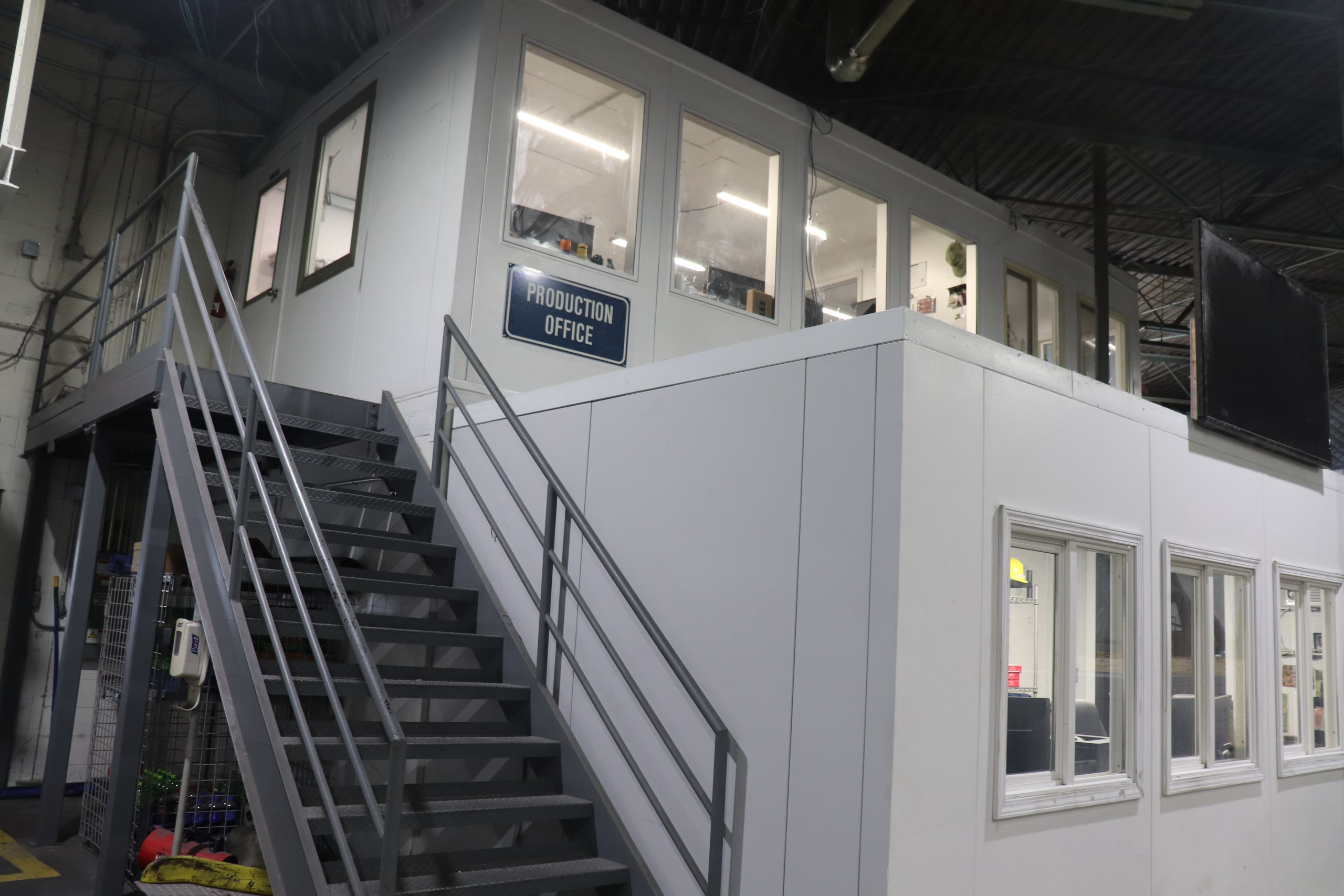
Indoor Installation Considerations
1) Access and Workflow Matter More Indoors
Indoor modular buildings are often placed in areas where:
- people work nearby
- carts and tools move frequently
- facility traffic is constant
That makes door placement, swing direction, and clearance more important than many realize.
2) Noise and Heat Impacts Become More Relevant
If equipment generates heat or noise, indoor installation may require extra planning to prevent disrupting surrounding operations.
In these cases, it’s important to think about:
- ventilation strategy
- airflow control
- noise isolation
- service access planning
3) Space Constraints Can Be Tight
Indoor installs often have:
- limited turning room
- overhead restrictions
- close proximity to walls or equipment
This makes layout planning and service clearances critical. If technicians can’t access equipment safely, downtime and labor costs increase.
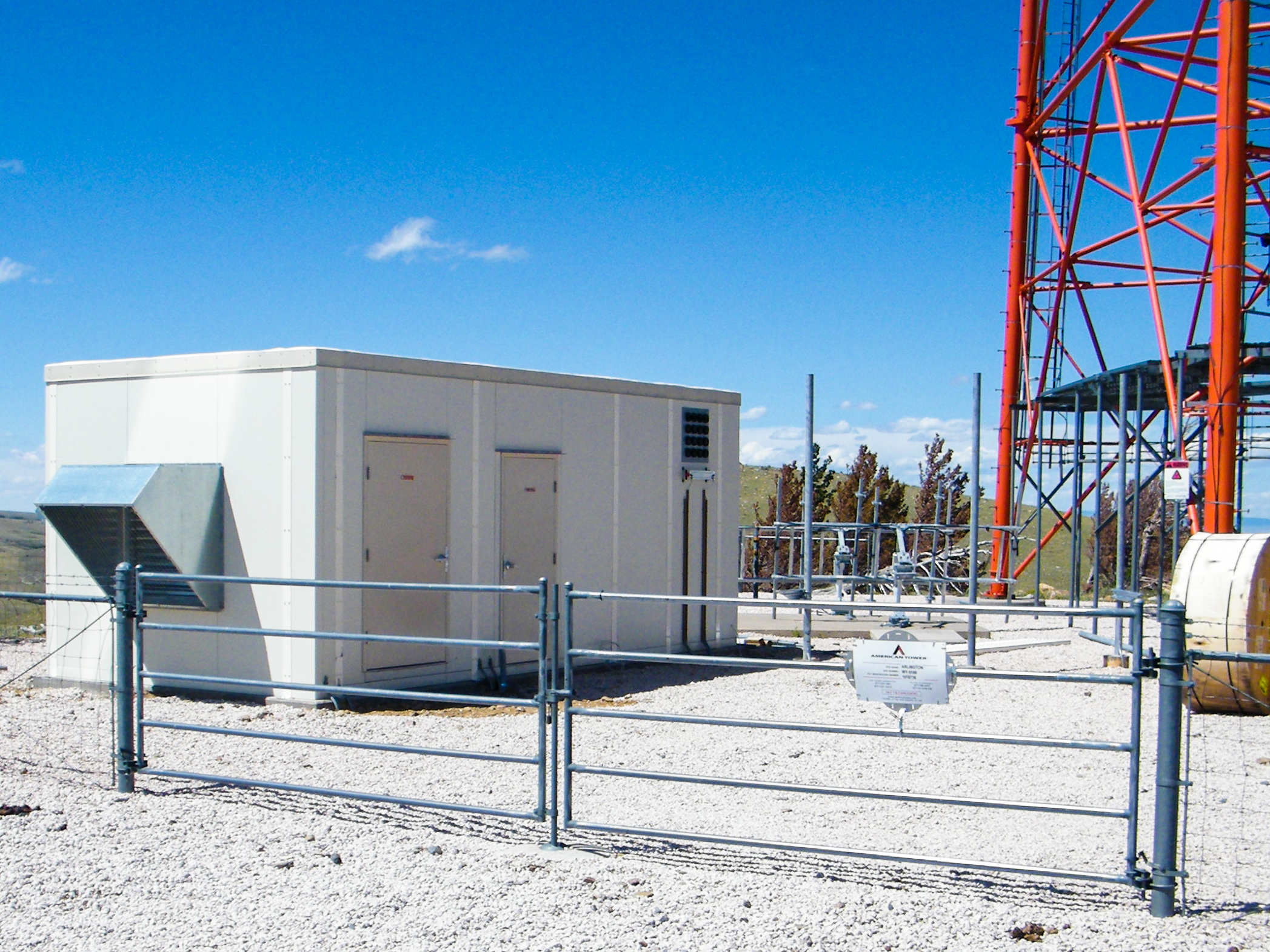
Outdoor Installation Considerations
1) Weather Exposure Becomes the Long-Term Test
Outdoor buildings must handle:
- wind-driven rain
- sun exposure and heat cycling
- seasonal temperature swings
- freeze/thaw conditions in many regions
- long-term moisture exposure
Outdoor specs often require more emphasis on roof strategy and envelope protection.
2) Condensation Risk Increases Outdoors
Outdoor installations often experience bigger temperature swings, especially day/night. That can create condensation risk even when the building is sealed.
Outdoor spec planning should consider:
- insulation continuity
- ventilation strategy
- equipment heat cycling inside
- moisture management planning
Condensation prevention becomes part of performance planning.
3) Foundation and Mounting Choices Become More Critical
Outdoor sites often need more focus on:
- drainage
- snow or standing water exposure
- stable support
- long-term leveling and settlement risk
Choosing slab vs skid vs elevated install matters more outdoors because the environment is harsher and less controlled.
4) Security and Access Control Matter More Outdoors
Outdoor buildings often require stronger security planning because they are exposed and accessible in a way indoor buildings are not.
Security considerations can include:
- door hardware upgrades
- controlled access readiness
- visibility planning
- entry protection for remote sites
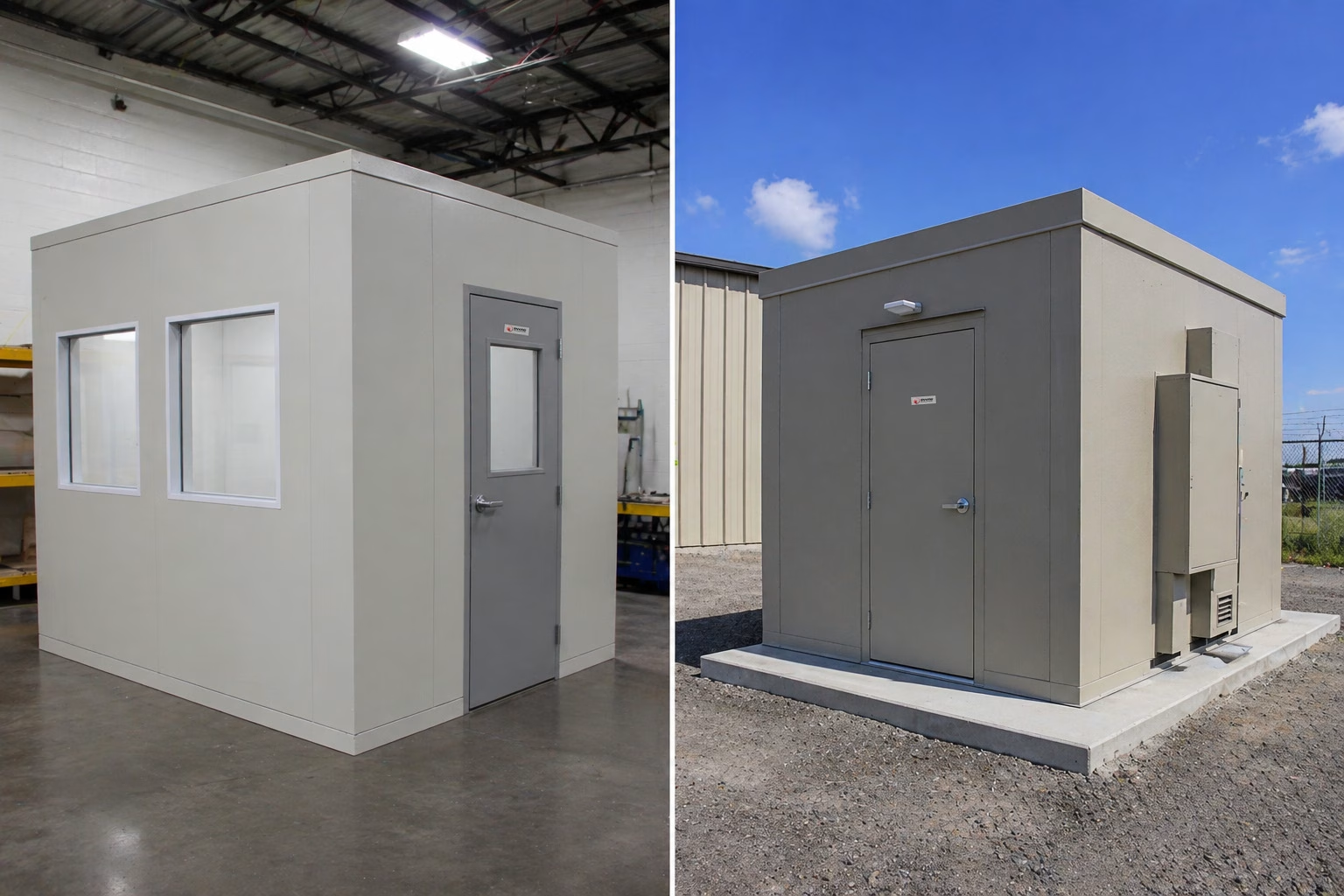
The Biggest “Spec Differences” Between Indoor and Outdoor Builds
Here are the practical items that commonly change based on location:
✅ insulation needs and envelope strategy
✅ ventilation requirements
✅ door hardware and security requirements
✅ roof protection strategy
✅ base and drainage planning
✅ service access clearance around the exterior
✅ cable and conduit entry exposure planning
These differences are why it’s important to communicate installation environment early.
Final Takeaway: The Best Modular Builds Match the Install Environment
A modular building installed indoors needs to support workflow, service access, and clean integration.
A modular building installed outdoors needs to protect against weather, moisture, and long-term exposure risk.
The best results come when the building is specified for the real-world environment it will face—not a generic assumption.
At Enviro Buildings, we help customers select modular building configurations that match site reality from the start, so the building performs reliably wherever it’s installed.