

Noise and vibration issues are some of the most common “surprise problems” in equipment shelters and modular enclosures.
The building may be perfectly constructed. The equipment may be installed correctly. But once everything powers on, the site realizes:
- the noise is louder than expected
- vibration transfers through the structure
- nearby areas are disrupted
- equipment experiences unnecessary stress
- long-term wear increases
This is especially common with equipment like:
- generators
- compressors
- pumps
- industrial fans
- mechanical processing systems
- high-airflow ventilation setups
The best time to control noise and vibration is before installation—because once equipment is running, retrofits are more difficult and more expensive.
In this article, we’ll break down what creates noise and vibration, what “good planning” looks like, and how modular building design can help reduce problems long-term.
Understanding the Two Problems: Noise vs Vibration
Noise and vibration are related, but not identical.
Noise is what you hear
Noise can travel through:
- the air (airborne noise)
- building surfaces (structure-borne noise)
- openings like vents or doors (leak paths)
Vibration is what the building feels
Vibration can transfer through:
- equipment mounts
- floors and base framing
- structural connection points
- walls and roof supports
Vibration becomes noise when it causes materials to resonate.
The goal is to control both at the source and through the structure.
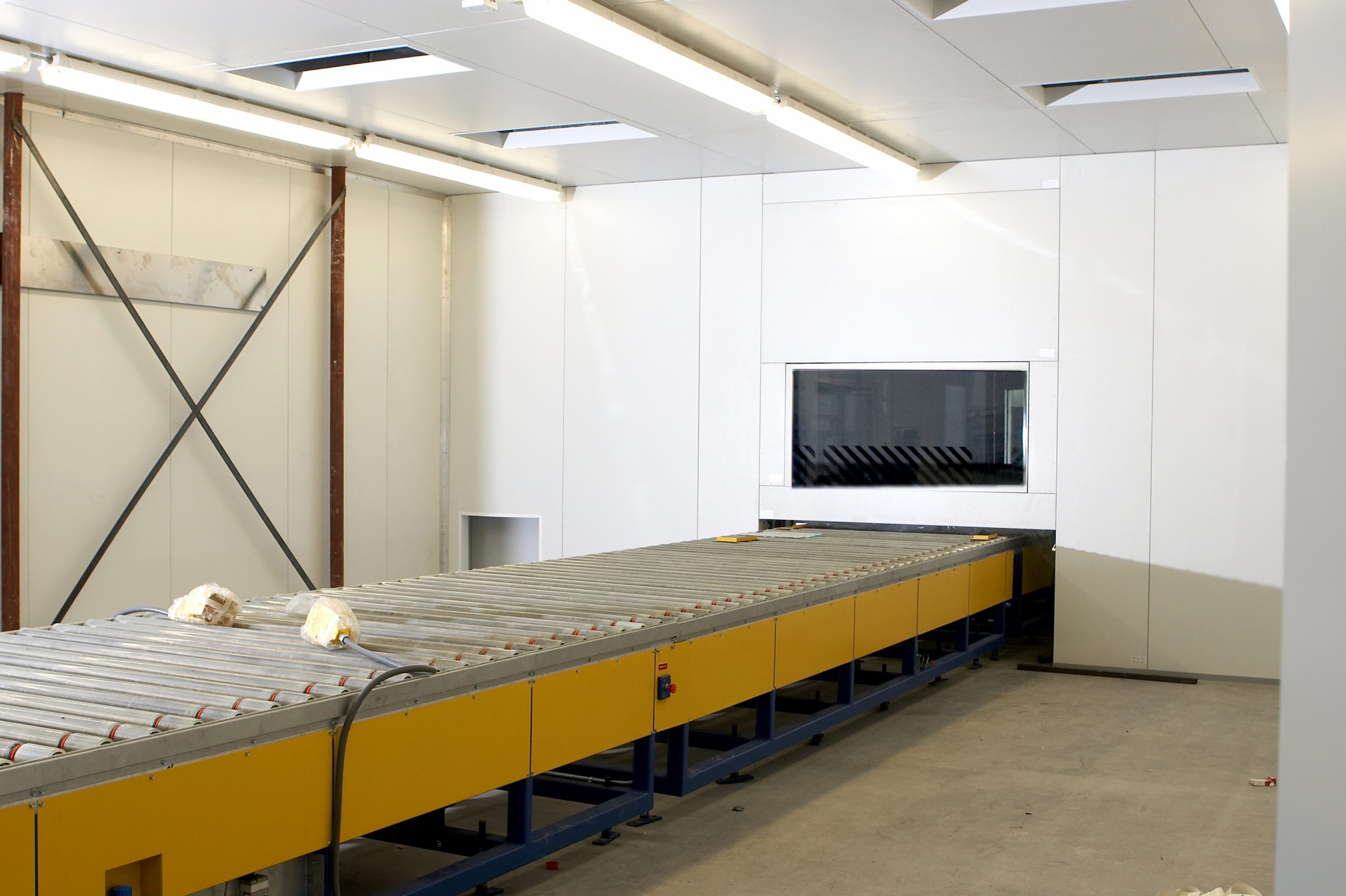
The Most Common Causes of Shelter Noise and Vibration Issues
1) Equipment mounted directly to rigid structure
When equipment is mounted directly to rigid building components, vibration transfers easily.
That vibration can create:
- humming or droning sound
- rattling hardware over time
- fastener loosening
- increased wear on equipment connections
Isolation planning reduces transfer from equipment into the building frame.
2) High airflow systems creating “noise paths”
Fans and ventilation systems can generate substantial noise, especially when airflow velocity is high or ducting is restricted.
Noise often escapes through:
- louvers
- intake/exhaust openings
- vents aligned directly with nearby work areas
If airflow is necessary, sound control becomes part of the ventilation plan.
3) Thin surfaces or “resonance zones”
Certain panel surfaces can amplify noise if vibration excites resonance. The sound can become more noticeable in:
- larger wall sections
- long spans without damping
- areas near equipment vibration sources
This is why layout planning matters—equipment placement impacts what surfaces receive energy.
4) Poor equipment placement inside the enclosure
Where equipment sits determines how vibration travels.
A layout that concentrates heavy equipment in one area without considering vibration transfer can result in:
- localized resonance
- uneven loading
- stronger vibration in corners or wall lines
Balanced placement helps control vibration pathways.
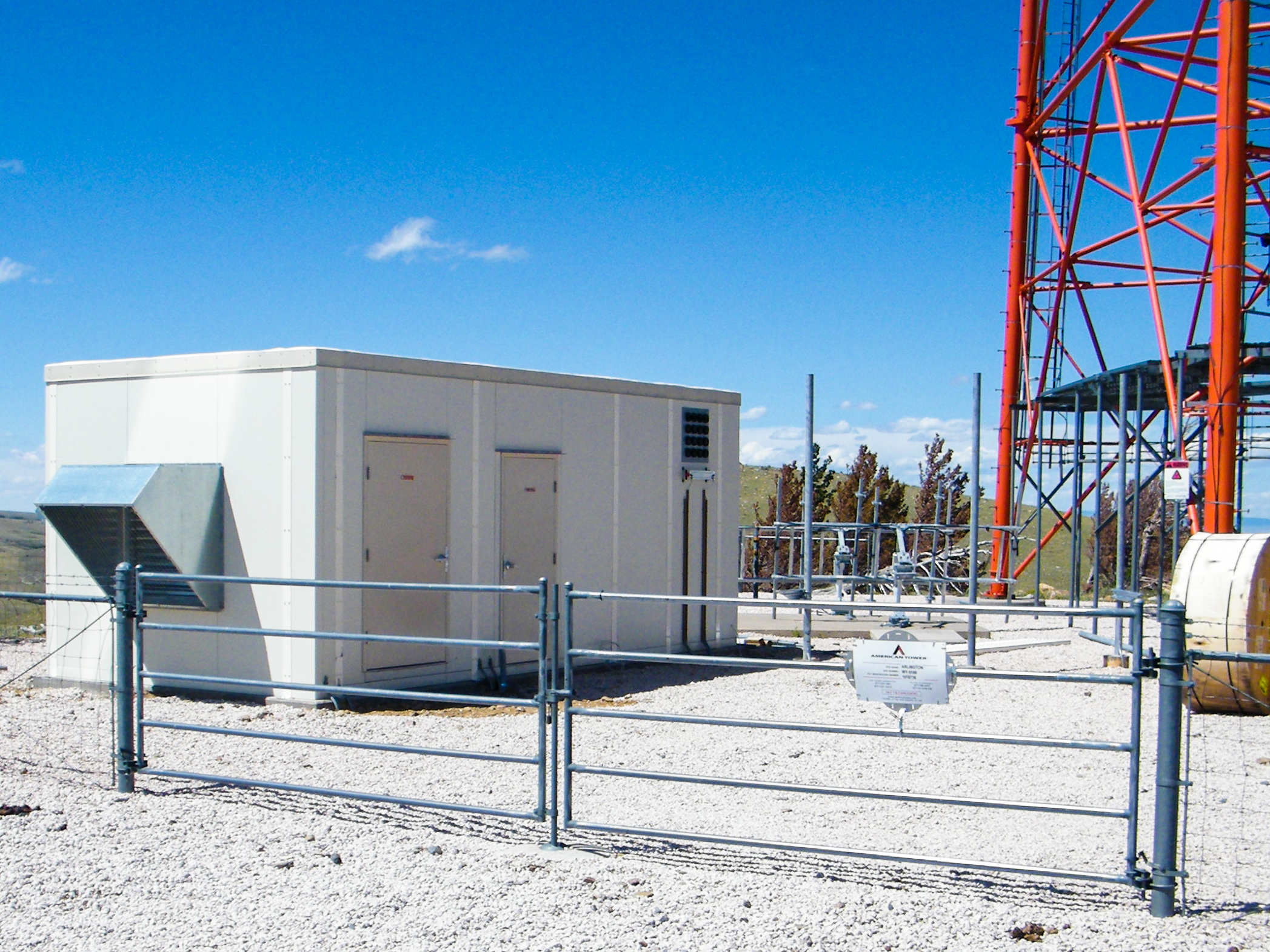
Noise and Vibration Planning Strategies That Work
1) Start With Equipment Requirements
Every noise control plan begins with the equipment.
Ask:
- What equipment generates continuous vibration?
- What equipment cycles on/off?
- What is the expected operating noise level?
- Where does airflow enter and exit?
- Will the shelter be near people or sensitive areas?
The answers determine what level of control is needed.
2) Use Isolation Planning to Reduce Vibration Transfer
One of the best ways to reduce vibration is to prevent it from transferring into the building structure.
That can include:
- equipment isolation mounting strategies
- separating equipment from rigid structural pathways
- reducing direct contact vibration transfer points
The goal is to keep vibration energy where it belongs—in the equipment, not the enclosure.
3) Plan Ventilation Openings With Noise Control in Mind
Ventilation openings are often the biggest “sound leak.”
A smart plan considers:
- where noise is aimed (direction matters)
- intake/exhaust placement relative to people or property lines
- airflow velocity and turbulence reduction
- shielding or baffling strategies when needed
The building might be sealed and insulated—but if vents act like speakers, noise will still be an issue.
4) Don’t Ignore the Base and Foundation Strategy
Mounting method affects vibration transfer.
Some foundations transfer vibration more than others, depending on:
- material stiffness
- contact points
- anchoring approach
- overall structural coupling
A foundation plan should support stable load distribution and controlled vibration behavior.
5) Choose Layouts That Avoid “Noise Amplification”
When equipment is placed too close to walls or corners, noise can reflect and build.
A well-planned layout helps reduce:
- vibration energy reaching major wall surfaces
- echoing inside the enclosure
- pressure buildup around equipment airflow outlets
Small layout adjustments can produce significant improvements.

Final Takeaway: Noise Control Is Easier When It’s Designed In
Noise and vibration problems aren’t always obvious until the building is operational.
But once equipment is installed, noise fixes can become costly.
The best strategy is to plan early:
✅ equipment placement with vibration pathways in mind
✅ isolation strategy where needed
✅ ventilation layout that avoids sound “leaks”
✅ foundation approach that supports stability
✅ building design that reduces resonance risk
At Enviro Buildings, we help customers build modular shelters that don’t just fit equipment—they support real-world performance, including noise and vibration control where it matters most.