

Some building projects are planned months (or years) in advance. Others show up with urgency—because something has changed and the solution is needed now.
That could be:
- emergency response and recovery
- sudden growth that outpaces available space
- a critical system upgrade
- a new site coming online faster than expected
- equipment that needs a protected environment immediately
In situations like these, traditional construction often struggles to meet the timeline. Even when budgets are approved, the schedule becomes the biggest obstacle.
This is where modular buildings shine.
Modular buildings are built for speed, predictability, and repeatable deployment—making them an ideal solution when time is the most valuable resource.
In this article, we’ll cover why modular buildings perform so well under urgent timelines, where they’re most useful, and how to plan a fast deployment project successfully.
Why Time Matters More Than Ever in Emergency and Expansion Projects
When a building is needed quickly, delays have real cost:
- operational downtime
- equipment exposure risk
- temporary rentals or stopgap measures
- lost productivity
- missed project deadlines
- delayed service or customer impact
A fast building solution doesn’t just finish sooner—it reduces the “risk window” where the project is vulnerable to setbacks.
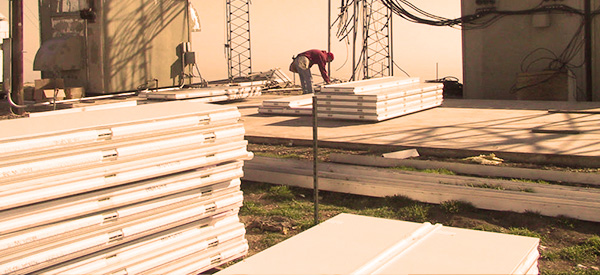
The Biggest Advantage of Modular: Predictability
Speed is important, but predictability is what makes modular so valuable in urgent projects.
Traditional builds often face uncertainty from:
- weather delays
- site complexity
- labor availability
- material lead time surprises
- scheduling conflicts across trades
Modular construction reduces those variables by providing a clearer path from planning to installation.
For urgent projects, predictability is a major advantage because it enables better scheduling for:
- equipment delivery
- commissioning
- site activation
workforce planning
Where Fast Deployment Modular Buildings Deliver the Most Value
Modular building deployment is especially effective for:
Equipment shelter needs
When equipment must be protected quickly—telecom systems, control infrastructure, mechanical systems, electronics—modular buildings provide a controlled enclosure without long field build timelines.
Rapid site expansion
If operations need more space quickly—storage, work areas, mechanical rooms—modular allows expansion without disrupting the entire facility.
Temporary or transitional facilities
In emergency response or phased construction, modular buildings can provide immediate functionality while long-term projects continue.
Repeatable deployment programs
If multiple sites need similar buildings quickly, modular supports standardized rollouts that scale.
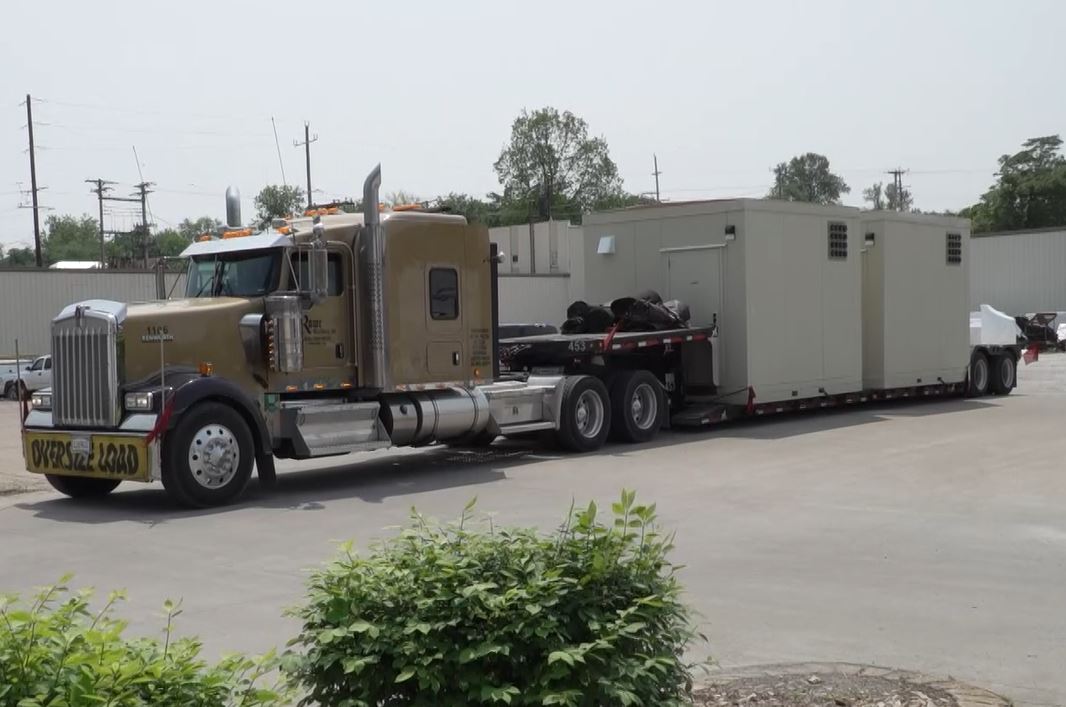
Why Modular Is Built for Fast Installation
A modular building project can move quickly because major elements of the structure are already engineered and prepared for efficient installation.
Fast deployment benefits often include:
- reduced site labor requirements
- simplified installation sequencing
- fewer field-built surprises
- less exposure to weather delays
- quicker enclosure readiness
Once the building is installed, equipment can move in and commissioning can begin—often much faster than a conventional timeline.
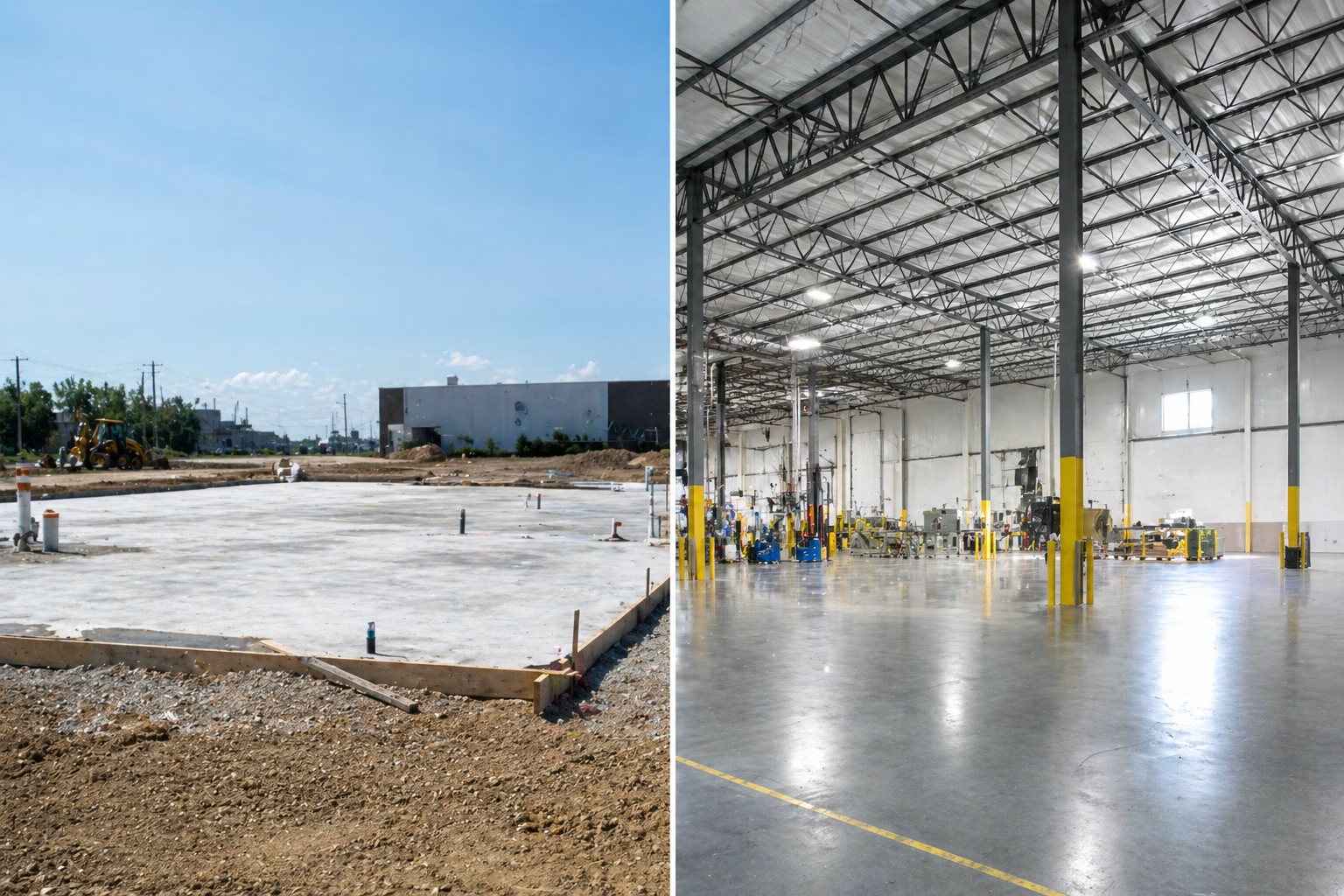
The “Speed Multiplier”: Site Prep Done Right
The biggest factor that determines fast deployment success is not the building itself.
It’s site readiness.
A modular structure can be delivered on schedule—but if the site isn’t ready, the project stalls.
For rapid deployments, site prep must be planned early:
✅ foundation or mounting plan
✅ access path for delivery and placement
✅ utility routing readiness
✅ clearance for crane or equipment placement
✅ drainage and leveling confirmation
✅ anchoring plan where required
When the site is prepared correctly, deployment becomes smooth and efficient.
Emergency Response: Why Modular Can Be the Smartest Option
In emergency response situations, the mission is:
restore functionality quickly with minimal complexity.
Modular buildings support that by delivering:
- fast enclosed space
- equipment protection from weather
- predictable installation sequencing
- reliable long-term performance after deployment
For emergency response, modular buildings also offer something essential: flexibility.
A modular solution can be:
- deployed quickly
- used for immediate needs
- adapted for long-term use
- repositioned or repurposed if conditions change
That flexibility can be priceless in urgent situations.

Rapid Expansion: How Modular Supports Growth Without Disruption
Many expansion projects happen while operations are still running. Conventional construction can be disruptive:
- noise
- dust
- long construction timelines
- restricted access areas
- staging space needs
Modular buildings often reduce disruption because installation can be faster and more contained—allowing facilities to expand without months of on-site build activity.

Final Takeaway: Modular Wins When Time, Reliability, and Predictability Matter
Fast deployment isn’t just about “getting a building quickly.”
It’s about reducing risk and getting operational sooner.
Modular buildings are an excellent fit when you need:
✅ speed of deployment
✅ predictable timelines
✅ repeatable performance
✅ flexible use cases
✅ reduced disruption to existing operations
At Enviro Buildings, we help customers plan rapid deployment structures that are ready for real-world conditions—so fast doesn’t mean temporary, and quick doesn’t mean compromised.