
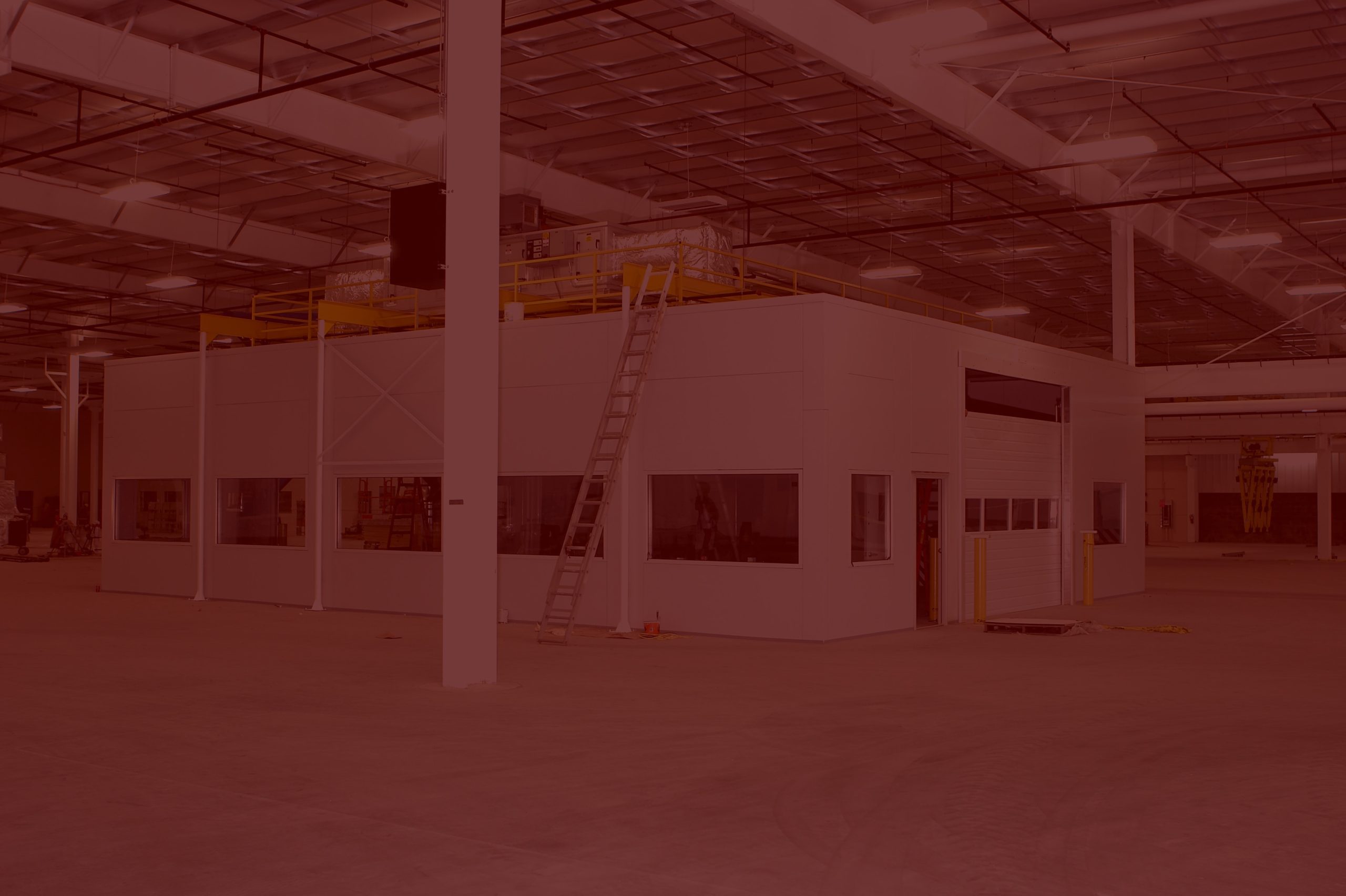
Modular buildings have traditionally been associated with equipment shelters and specialty enclosures—but today, they’re proving their value across far more applications.
That’s because many projects don’t just need “a building.” They need a solution that is:
- fast to deploy
- predictable in performance
- durable in real-world use
- adaptable to changing needs
- efficient to operate
- scalable across growth
Those benefits make modular structures a strong fit for general construction and operational spaces—not just technical applications.
In this article, we’ll explore why modular buildings are increasingly used as everyday functional spaces, what types of applications they support, and what to consider when planning a modular structure for broader use.
Why Modular Buildings Work So Well as General Space
General-use buildings often face the same challenges as specialized shelters:
- timelines are tight
- site conditions are unpredictable
- budgets require control
- long-term reliability matters
Modular buildings help solve those challenges by offering a faster, more controlled construction approach that doesn’t require reinventing the project each time.
For many facilities, modular buildings provide the best combination of:
✅ speed
✅ durability
✅ flexibility
✅ long-term value
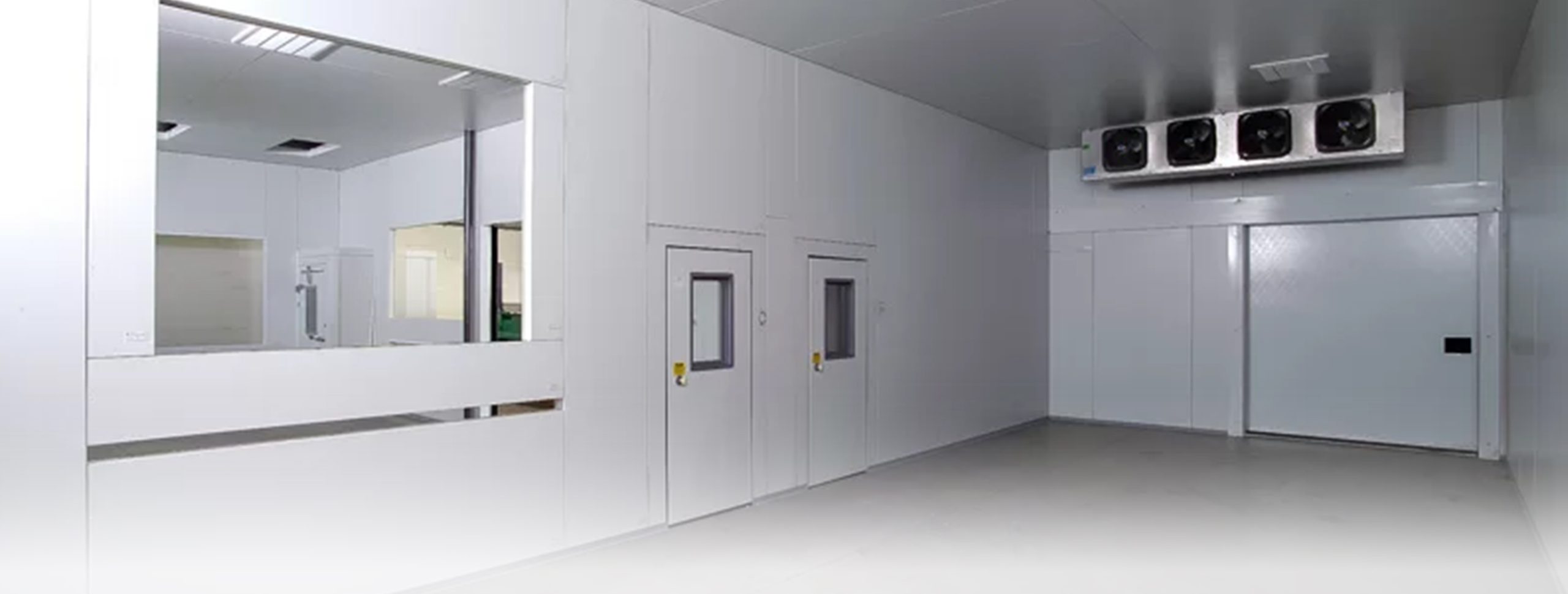
Common General-Use Modular Building Applications
Modular buildings are being used for:
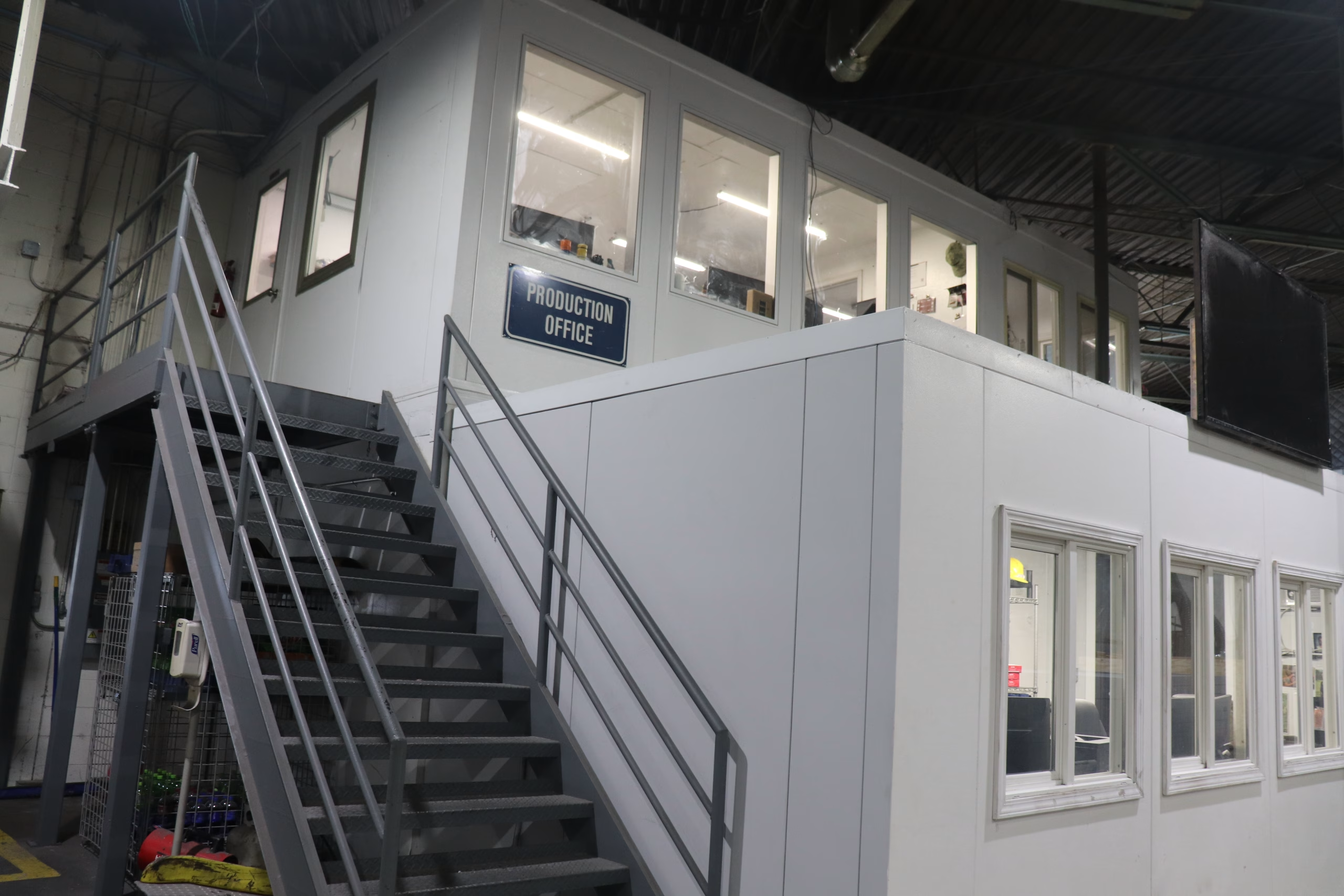
Office space and on-site admin areas
When construction or operations sites need immediate workspace, modular buildings offer enclosed, reliable space without long build timelines.

Storage buildings
Storage needs often expand quickly, and modular provides a fast way to add protected space without disrupting existing operations.
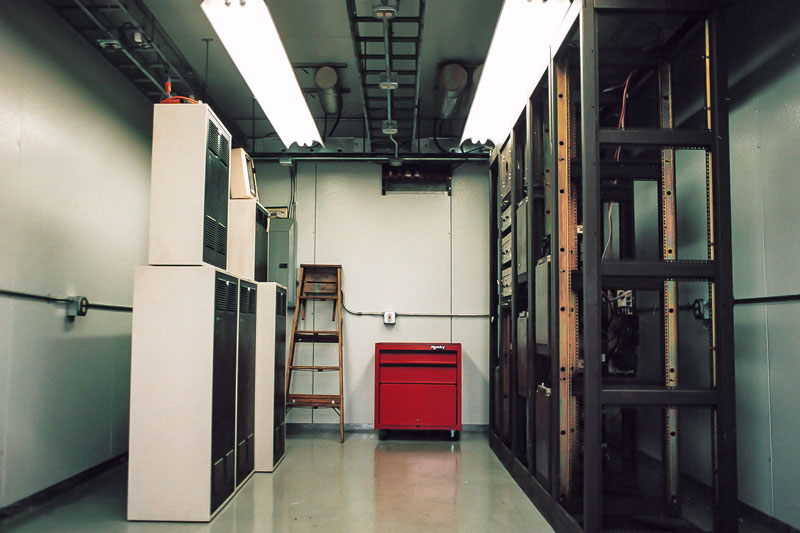
Work rooms and utility rooms
Facilities often need functional space for tool storage, workbench use, or daily operational support.
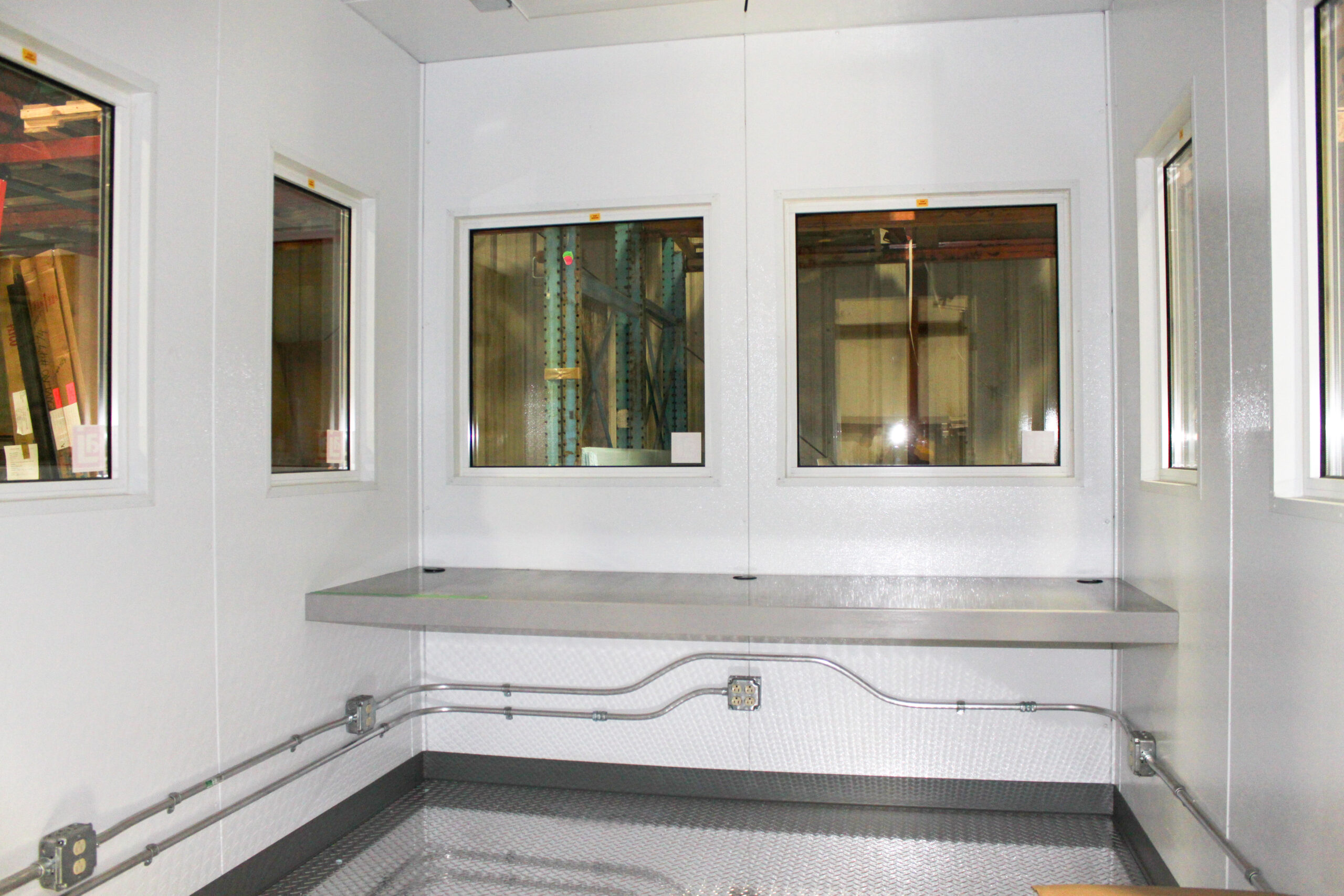
Break rooms, staff support areas, and staging rooms
In many environments, support spaces improve productivity and organization.
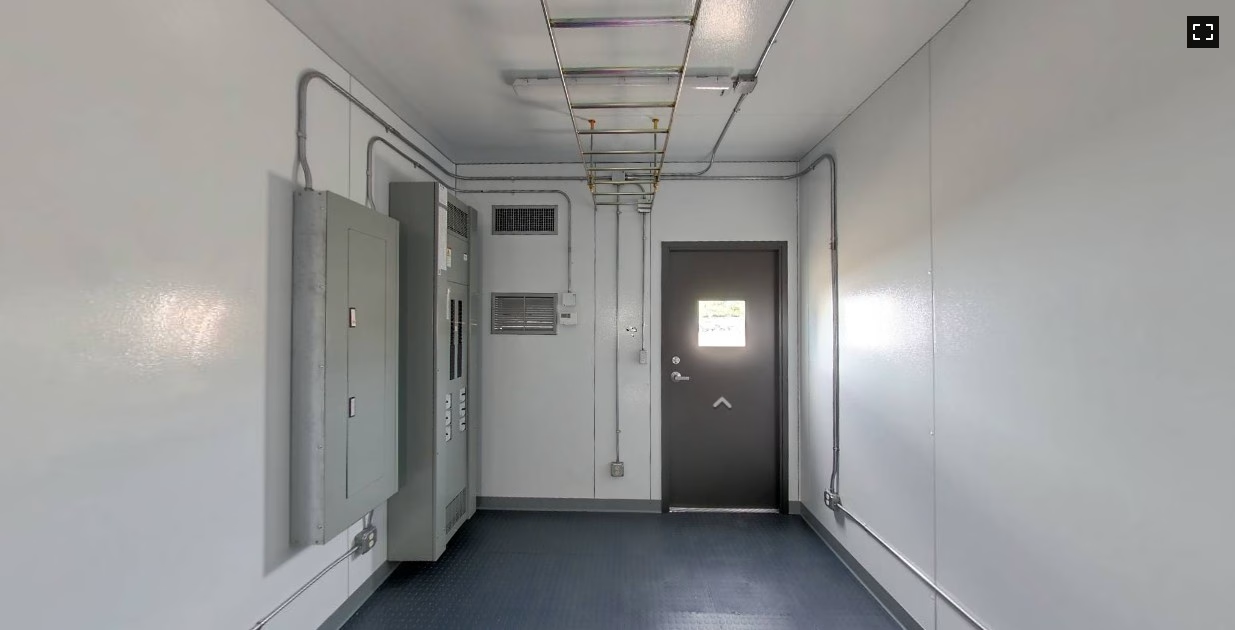
Mechanical rooms and facility support enclosures
Even general-use space often includes mechanical systems that need protection and stable performance.
What Makes Modular Better Than “Temporary” Solutions
Some projects treat modular buildings like temporary structures.
But high-quality modular buildings are not temporary by nature—they’re engineered structures designed for long-term use.
The advantage is that they can deliver long-term value with faster deployment.
Instead of quick fixes that degrade over time, a modular building can offer:
- consistent performance
- durable envelope protection
- stable environmental control
- long-term serviceability
This makes modular a strong choice for facilities that need real infrastructure quickly.
Key Design Considerations for General-Use Modular Spaces
General-use modular buildings should still be designed intentionally—because real-world usage creates real demands.
1) Access and workflow
Door placement should match traffic patterns.
If a space is used daily, access should be easy, safe, and logical.
2) Interior finish durability
General-use spaces often experience more day-to-day contact than equipment shelters.
Durable interior finishes reduce scuffing, wear, and long-term maintenance.
3) Ventilation and comfort
Even simple spaces need airflow planning to maintain comfort and avoid stagnation.
4) Power and utility planning
General-use buildings often need more outlets, lighting planning, and flexible routing capability than expected.
5) Expansion planning
Storage and operational spaces often grow.
A reconfigurable plan can prevent needing a second building sooner than expected.
Modular Buildings Support Growth Without Disruption
One reason facilities love modular buildings for general spaces is that they can expand without disrupting operations.
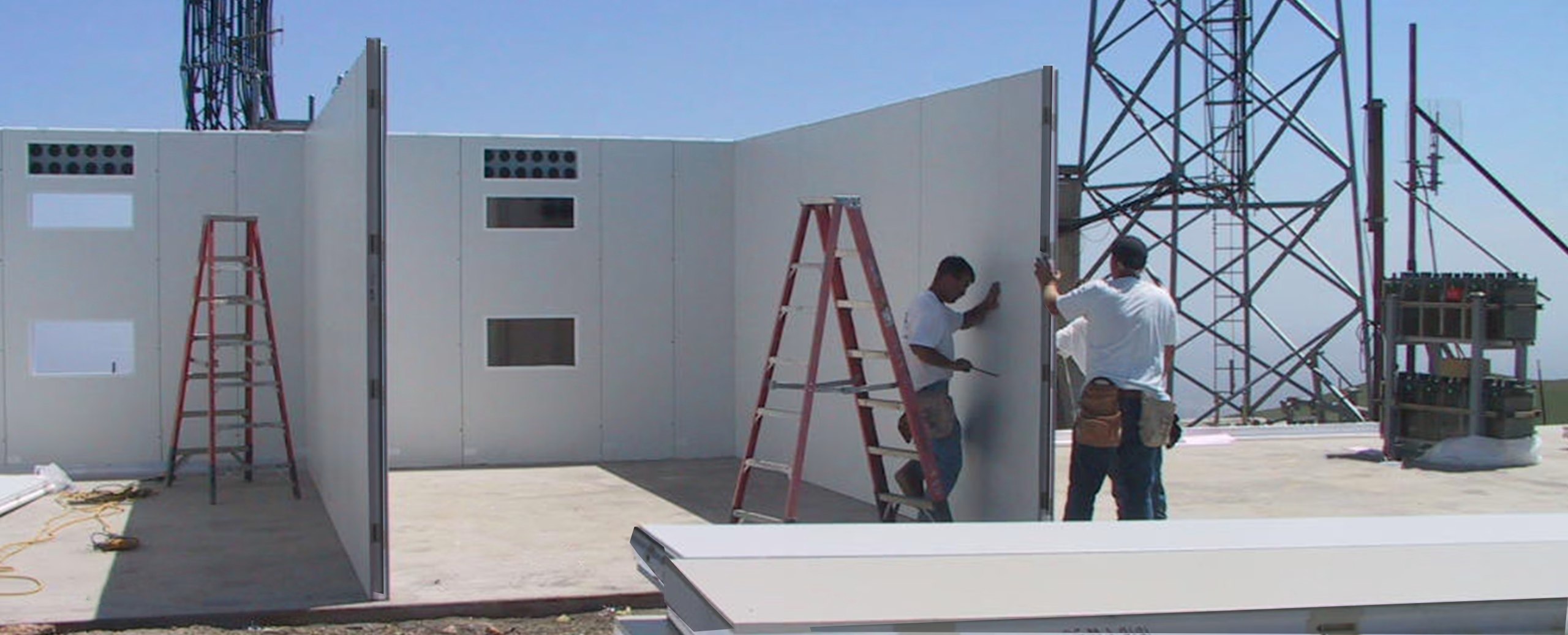
Instead of weeks of open-site construction, modular structures can often be deployed efficiently once the site is ready.
That means:
- faster usable space
- less disruption to active operations
- easier planning for future expansion
- scalable deployment strategies
Final Takeaway: Modular Buildings Are No Longer “Just for Equipment”
Modular buildings have become a flexible solution for almost any facility that needs fast, durable space.
They’re a strong fit for:
✅ offices
✅ storage
✅ work rooms
✅ operational support spaces
✅ staged expansion capacity
At Enviro Buildings, we build modular structures designed for real-world performance—whether the project is technical, industrial, commercial, or general-use space that needs to last.
Final Takeaway: Interior Finishes Protect Long-Term Value
Interior finish planning isn’t just about aesthetics—it’s about keeping the building functional, professional, and low-maintenance for years.
The right interior finishes help:
✅ reduce wear and scuffing
✅ improve cleanability
✅ prevent grime buildup in seams
✅ protect floors and high-traffic areas
✅ maintain professional appearance long-term
At Enviro Buildings, we help customers plan modular building interiors that are built for real environments—not showroom conditions—so the structure performs and lasts the way it should.