
A modular building can be engineered for excellent performance—but the interior finishes determine how it holds up day after day.
Interior finish choices often get treated as “cosmetic,” but in real-world modular applications, they affect:
- durability under daily use
- cleanability and maintenance effort
- how professional the building stays over time
- resistance to scuffs, impact, and staining
- long-term reliability in industrial or high-use environments
Whether the building is used as an equipment shelter, control room, mechanical enclosure, storage space, or operational workspace, interior surfaces take wear—and the right finish choices can prevent the building from feeling “aged” after only a short time in service.
In this article, we’ll cover the key interior finish considerations that help modular buildings stay clean, durable, and dependable long-term.
Why Interior Finishes Matter More Than People Expect
Interior finishes have two jobs:
- make the interior functional and safe
- protect the building envelope and surfaces over time
In many installations, interior finishes face:
- constant foot traffic
- carts, tool cases, and equipment movement
- dirty environments
- moisture exposure and wipe-down routines
- high-touch wear around doors and service areas
Choosing finishes based on real-world use is one of the smartest long-term decisions you can make.

The 3 Most Important Finish Priorities
When planning modular building interiors, these priorities usually matter most:
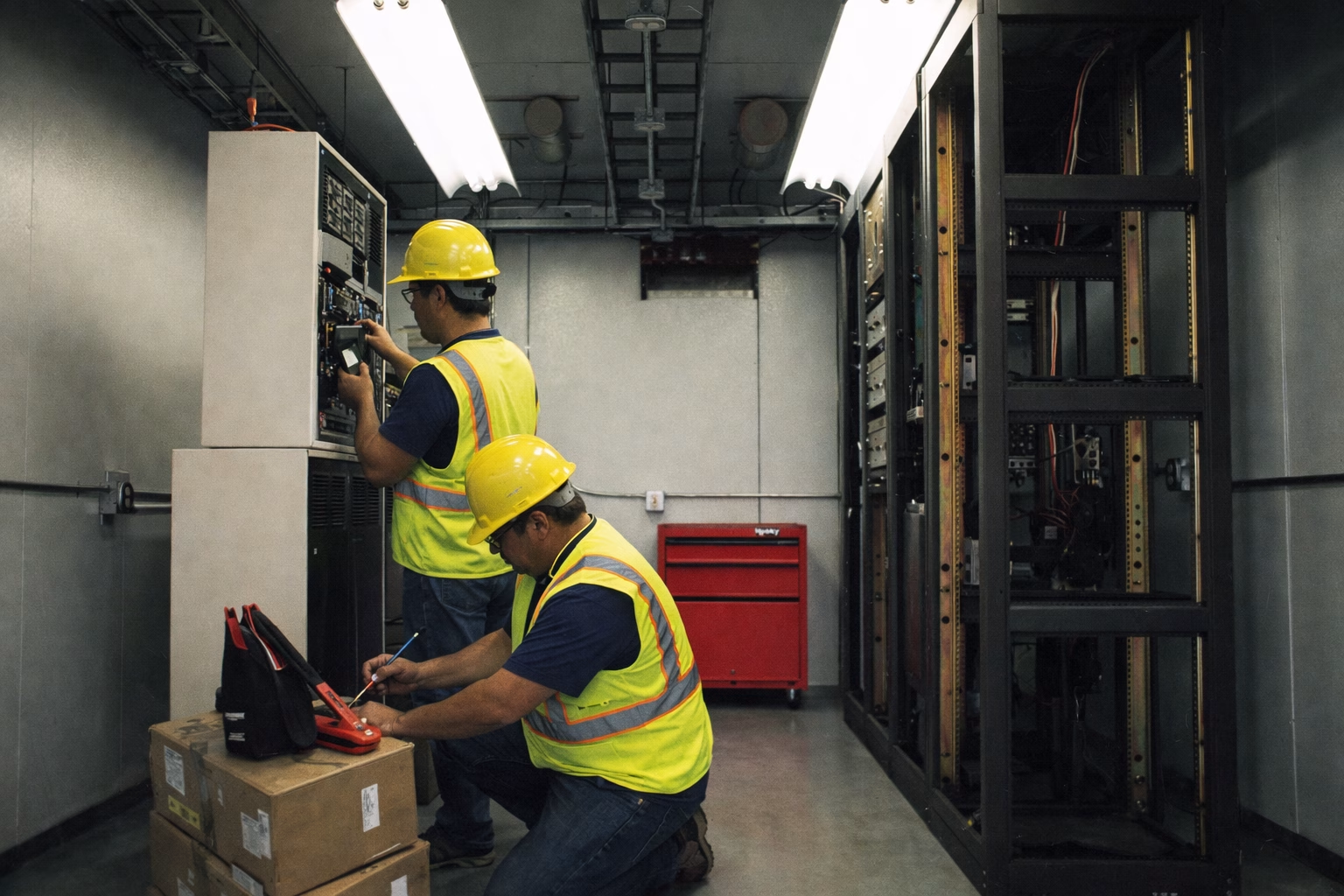
1) Durability under impact and movement
Interior walls and corners take hits—from carts, equipment, and maintenance work.
Durable finishes resist:
- dents
- scuffs
- abrasion
repeated contact wear
2) Cleanability and maintenance effort
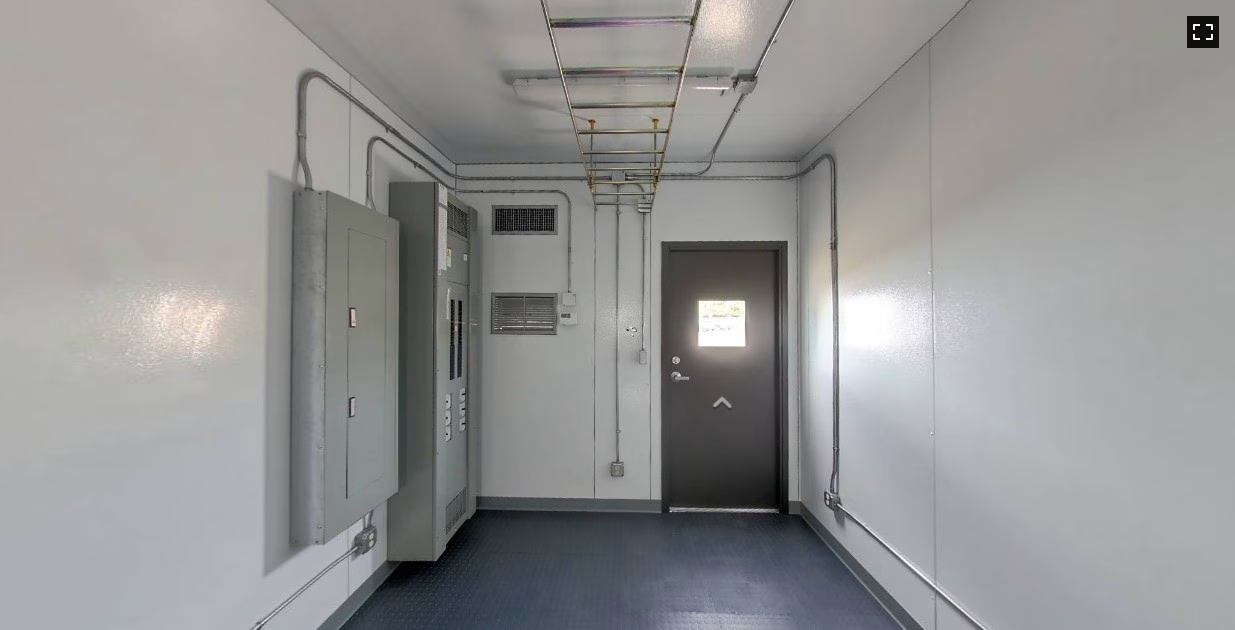
Many modular buildings are used in environments where cleanliness matters—either for equipment protection or operational requirements.
Finish selection affects:
- how easy surfaces are to wipe down
- whether dirt builds up in seams
- how quickly the interior can be refreshed
3) Long-term appearance and professionalism
Even if the building is “functional,” a clean and well-kept interior improves:
- technician experience
- safety and organization
- customer perception
- overall facility professionalism
Interior finish quality shows up long after the install is complete.
Panel Finish Options
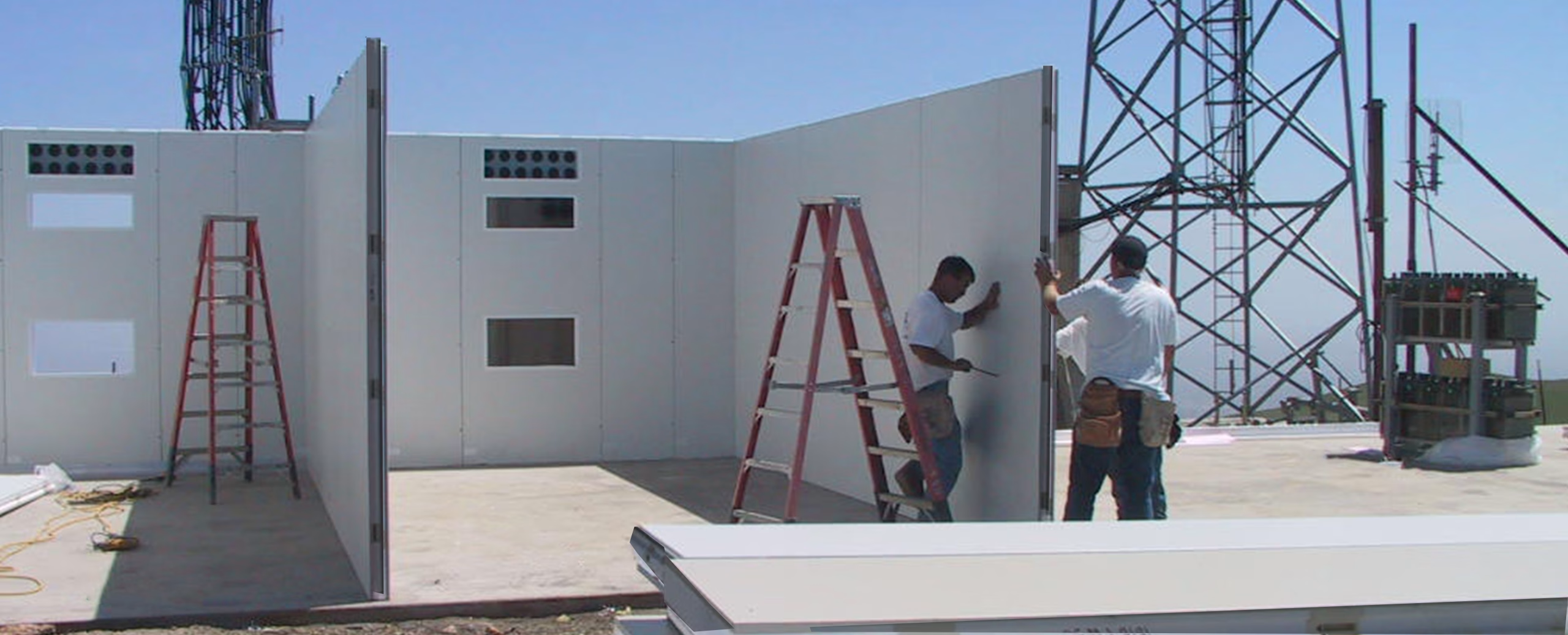
The finish you choose for your modular building can play an important role in durability, appearance, and long-term performance. Enviro Buildings offers several panel finish options, and finishes can be selected for interior or exterior walls. Combinations may also be used to meet the needs of a specific application.
Available panel finishes include:
- 26-gauge acrylic-coated Galvalume
- 26-gauge painted
- 22-gauge stucco stainless steel
- 24-gauge painted
The right choice depends on where the building will be installed, how the space will be used, and the conditions the surfaces will encounter. Enviro Buildings can help you select the panel finish—or combination of finishes—that best fits your application.
Walls: Where Wear Shows Up First
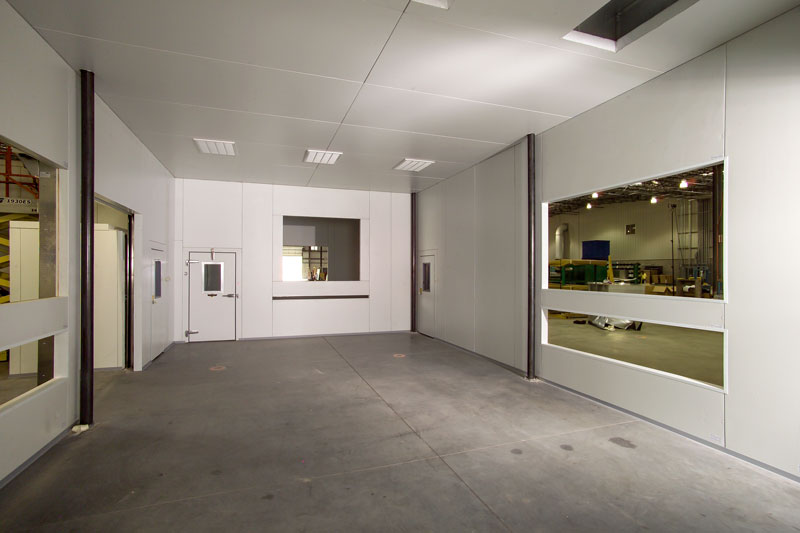
Interior wall finishes matter because they take the most visible wear over time.
Common wall wear areas include:
- near doorways
- around equipment service access zones
- corners where people turn with tools
- areas where cable routing is handled
spaces where inventory or parts are stored temporarily
Best practice:
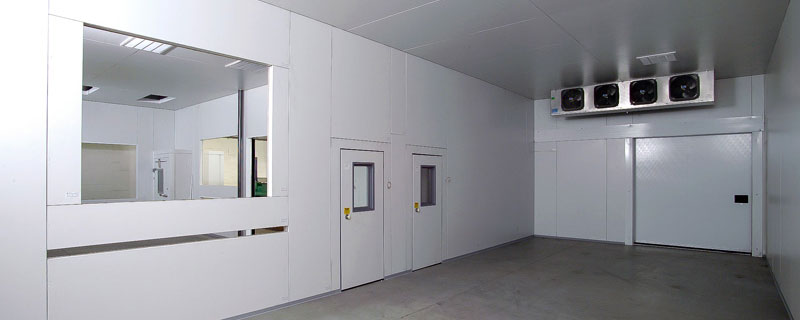
Plan wall finishes that resist scuffs and are easy to wipe clean.
Wall durability is especially important in equipment shelters where service teams frequently work inside.
Corners and Seams: The Hidden “Maintenance Zones”
Corners and seams are often where dirt, moisture, and wear become noticeable.
Over time, corners can:
- collect grime
- show scuffing faster
- take impact from tool movement
Seams and transitions can:
- trap dust
- become harder to clean
- create areas where “aged” appearance shows first
Designing the interior with clean transitions improves long-term maintainability and keeps the building looking better for longer.
Flooring: The Finish That Impacts Safety the Most
Interior floors matter because they affect:
- slip risk
- cleaning effort
- equipment movement
- long-term wear
Floors often deal with:
- tracked-in water or dirt
- equipment vibration
- occasional spills
- heavy foot traffic
- rolling tools and carts
A strong floor finish strategy supports both safety and long-term performance.
Ceilings and Upper Surfaces: Easy to Ignore, Hard to Fix Later
Ceiling finishes are often overlooked, but they can reveal performance issues quickly if problems arise.
Ceiling surfaces may show:
- condensation spots
- staining from moisture events
- dust accumulation around airflow patterns
A clean, durable ceiling surface supports easier inspection and helps technicians identify problems early if moisture ever appears.
Finish Planning for Different Modular Building Uses
Different use cases demand different interior finish priorities.
Equipment shelters and telecom buildings
Focus on:
- durability under service access
- cleanability for dust control
- long-term protection against moisture risk
- cable routing cleanliness
Industrial enclosures and mechanical spaces
Focus on:
- impact resistance
- floor durability
- clean transitions for maintenance efficiency
Offices, work rooms, and operational spaces
Focus on:
- comfort and appearance
- cleanability and long-term wear control
- safe flooring and traffic flow
The best interiors are specified based on the reality of how the space will be used.
Final Takeaway: Interior Finishes Protect Long-Term Value
Interior finish planning isn’t just about aesthetics—it’s about keeping the building functional, professional, and low-maintenance for years.
The right interior finishes help:
✅ reduce wear and scuffing
✅ improve cleanability
✅ prevent grime buildup in seams
✅ protect floors and high-traffic areas
✅ maintain professional appearance long-term
At Enviro Buildings, we help customers plan modular building interiors that are built for real environments—not showroom conditions—so the structure performs and lasts the way it should.